
The short answer
To make real espresso at home you need an espresso machine, a burr grinder that can grind fine enough for espresso, fresh beans and a small kitchen scale. Weigh about 18 grams of finely ground coffee, tamp it flat, and pull a shot that gives about 36 grams of espresso in roughly 25 to 30 seconds, then adjust your grind until it tastes right. A capable beginner setup costs roughly 400 to 700 USD, and most people pull a good shot within the first week.
Home Espresso at a glance
Cost to start
$$$ $200 to $500
First result
Tonight
Per session
15 min
Learning curve
Moderate
| Cost to start | Roughly 400 to 700 USD for a beginner machine plus an espresso-capable grinder. A manual setup with a hand grinder can come in around 300 USD or less. |
|---|---|
| Ongoing cost | Medium: fresh beans, roughly 15 to 25 USD a 12 oz bag of specialty coffee, plus milk, filtered water and cleaning supplies |
| Time to first result | Tonight for a drinkable shot. One to two weeks to a consistently good one. |
| Time per session | 5 to 15 minutes per drink, including cleanup |
| Space needed | A desk |
| Indoor or outdoor | Indoor |
| Solo or social | Solo |
| Physical intensity | Low |
| Learning curve | Moderate: pulling a shot is easy, but dialing in and steaming silky milk take practice |
| Good if you like | coffee, kitchen gadgets, small daily rituals, tinkering and measuring |
| Good for ages | Adults, and teens with supervision: the steam wand and hot water can burn |
| Noise and mess | Some: the grinder is loud for a few seconds, and coffee grounds get everywhere |
| Best season | Year-round |
Learning how to make espresso at home comes down to three things: a machine that can brew under pressure, a grinder that can grind fine enough, and a week of tasting and adjusting. Before the recipe, though, comes the question most guides skip: is home espresso worth it for you, and what does it really cost? This guide answers that, then gives you grinder-first buying advice and a first-week plan for your first good shot and latte.
What is espresso? (Is it just strong coffee?)
Espresso is a small, strong coffee made by forcing hot water (around 90 to 96°C, or about 195 to 205°F) through a tightly packed puck of very finely ground coffee at high pressure, usually around 9 bar. That pressure is what makes espresso different from drip coffee. It pulls out more oils and dissolved solids in less than a minute, and it creates the golden foam on top called crema. Espresso is also the base for nearly every café drink: lattes, cappuccinos, flat whites, Americanos and cortados are all espresso plus water or milk.
So yes, it’s strong coffee, but it’s a different brewing method, not a different bean. You can make espresso from any coffee if you grind it fine enough and brew it under pressure.
A typical morning looks like this: you weigh and grind your beans, distribute and tamp them into the portafilter, lock it into the machine, and pull a shot while you watch the time and the weight on your scale. Then you steam milk if you like, pour, and wipe everything down. Once you’re in the routine, it takes about five minutes.
People get hooked because it’s a craft with a daily payoff. Every shot is a little experiment: change the grind, the dose or the beans, and the taste changes. Over a few weeks you go from “this is sour” to café-quality drinks you made yourself, and if you buy a café latte most days, the setup can pay for itself over time. And there’s a huge, enthusiastic community for every question you’ll ever have.
Is home espresso right for you?
You’ll probably love it if:
- You drink espresso drinks most days, especially lattes or cappuccinos.
- You like measuring, tweaking and getting a little better every day.
- You enjoy a morning ritual, and you don’t mind five minutes of cleanup.
- You like the idea of a hobby you get to drink.
Maybe skip it (or try something else first) if:
- You mostly drink black drip coffee. A good pour-over or AeroPress setup costs a fraction as much and makes great coffee.
- You want push-button convenience. Espresso is hands-on. A pod machine or a bean-to-cup “super-automatic” is easier, but it’s an appliance, not a hobby.
- Spending several hundred dollars on a hobby you haven’t tried yet is a stretch. Try a cheaper path first (see “Try it” below), or start with sourdough or kombucha, which cost much less.
Can you make espresso at home without a machine?
Not true espresso, but you can get close, and it’s the cheapest way to find out whether you enjoy the ritual. A moka pot makes strong, concentrated stovetop coffee. An AeroPress can make a small, intense “espresso-style” shot. Neither reaches full espresso pressure, but both are great. A manual lever espresso maker can reach real espresso pressure with no electricity, as long as you pair it with a grinder that grinds fine enough. If you love milk drinks and want café-style results every day, a real espresso machine and grinder are worth it.
The grinder matters most
Here’s the most important advice in this guide, and the one beginner communities repeat most: budget seriously for your grinder, often as much as for your machine. Espresso needs a very fine, very consistent grind, and an ordinary blade grinder or a drip-coffee burr grinder can’t do it. A great machine with a weak grinder makes bad espresso. A modest machine with a good grinder makes good espresso.
How much does home espresso cost to start?
Try it
about 30–60 USD
A moka pot or an AeroPress with pre-ground espresso-roast coffee, or a few café visits to taste what good espresso is like.
Proper starter
about 400–700 USD
A beginner espresso machine plus an espresso-capable burr grinder (or a manual espresso hand grinder), a 0.1 g coffee scale, a proper tamper and a milk pitcher. Or an all-in-one machine with a built-in grinder.
Upgrade later
about 1,000–3,000+ USD
A dual-boiler or heat-exchanger machine for back-to-back milk drinks, a premium flat-burr grinder, a bottomless portafilter, a WDT tool and puck screen, precision baskets.
Don't buy yet: a 2,000 USD dual-boiler machine, a fancy grinder you can't use yet, or a basket of accessories (distribution tools, puck screens, special tampers). Get the basics working first. And skip cheap "espresso" makers that use steam pressure instead of a pump. They can't make real espresso.
Which espresso machine should I buy for home?
The Breville Bambino is a common researched pick for beginners because it heats up in seconds and steams milk well for its size; the Bambino Plus adds automatic milk steaming. The Gaggia Classic Evo Pro is a long-time community favorite for people who like to tinker and upgrade. The Breville Barista Express is the popular all-in-one, with a built-in grinder that’s convenient but limits upgrades later. We compare them, with a realistic total budget, in our guide to the best espresso machines for beginners.
Beans matter as much as gear: buy whole beans with a “roasted on” date, and use them within about a month of roasting. Supermarket beans without a roast date are often stale, and stale coffee makes thin, sour shots.
Safety and care
- Steam and hot water burn: the steam wand, group head and hot water spout are very hot. Purge the steam wand away from your hand, keep the tip under the milk when steaming, and keep kids away while the machine is on.
- Hot surfaces: the portafilter and machine body can stay hot after use. Handle the portafilter by its handle only, and never remove it mid-shot.
- Electricity and water: keep the machine away from the sink edge, unplug it before cleaning or descaling, and follow the manufacturer’s manual.
- Cleaning chemicals: espresso cleaning tablets and descaling solutions can irritate skin and eyes. Follow the label, rinse thoroughly and store them away from kids.
- Caffeine: the US FDA says up to about 400 mg of caffeine a day is not generally associated with negative effects in healthy adults (FDA caffeine guidance). A single shot of espresso has very roughly 60 to 75 mg. Pregnant people and some medical conditions call for less. Ask your doctor.
- Descale and clean: hard water builds up scale inside machines. Use filtered or softened water, backflush if your machine allows it, and descale as the manual recommends.
How to make espresso: your first week
The goal for week one: pull a balanced shot you enjoy, and steam milk for your first latte.
- Set up and warm up (day 1): read the manual, fill the tank with filtered water, and let the machine heat fully. That’s seconds on fast-heating models and 15 minutes or more on traditional machines. Run a little water through the empty portafilter to warm it.
- Start with a standard recipe (day 1): weigh about 18 g of whole beans (or whatever your basket is designed for), grind fine, distribute the grounds evenly and tamp firmly and level. Aim for about 36 g of liquid espresso (a 1:2 ratio) in about 25 to 30 seconds. James Hoffmann’s beginner espresso videos on YouTube explain this clearly.
- Dial in (days 2 to 4): taste every shot and change one thing at a time, usually the grind. Sour, thin and fast? Grind finer. Bitter, harsh and slow? Grind coarser. Write down your dose, output, time and taste.
- Learn to steam milk (days 4 to 6): fill a cold pitcher about a third full with cold milk. Start with the wand tip just below the surface to add air (“stretching”) for a few seconds, making a gentle paper-tearing sound, then sink it a little to spin the milk into a whirlpool until the pitcher is almost too hot to hold, about 55 to 65°C (130 to 150°F).
- Make your first latte (day 7): pull your dialed-in shot, steam your milk, tap and swirl the pitcher until it’s glossy, and pour.
Your first project: a balanced shot and a latte with silky, glossy milk (latte art optional). Expect a few days of sour or bitter shots first. That’s dialing in, and everyone goes through it.
Is home espresso hard to learn? Your first three months
- How to practice: make one or two drinks a day, and take notes. Use one bag of beans for at least a week, so you’re learning your grinder, not chasing a new coffee every day.
- By the end of month 1: you can dial in a new bag of beans in two or three shots, pull consistent shots, and steam milk with fine, silky microfoam.
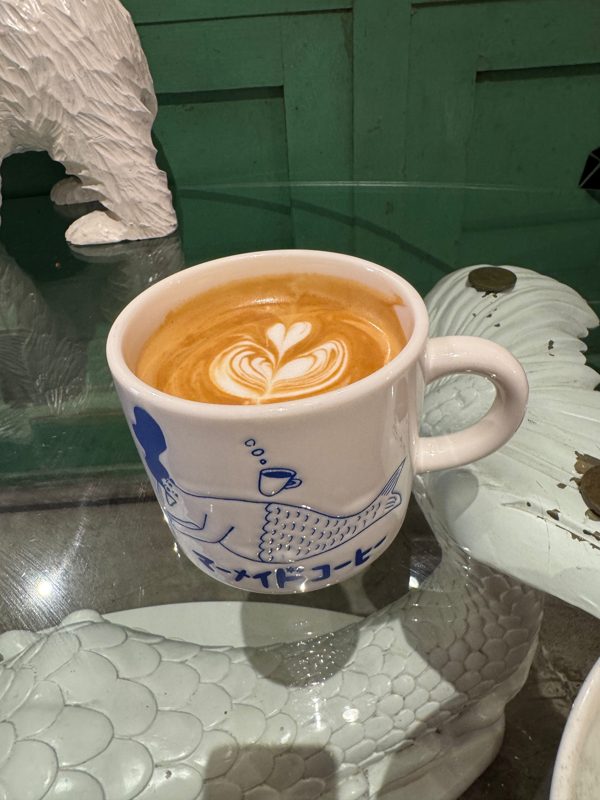
- By month 3: you’re pouring a basic heart in latte art, trying different roasts and origins, and you know what you like (fruity light roasts or chocolatey medium-dark). You’ve also built a cleaning routine.
- The wall most people hit: inconsistent shots. Most of the time the cause is uneven distribution, uneven tamping, stale beans or a grinder that can’t grind fine enough. Fix the puck before blaming the machine. Latte art is the other wall. It takes most people weeks of practice. Practice pours with water and a drop of dish soap to save milk.
Common beginner mistakes
- Buying a great machine and a cheap grinder. The grinder is the heart of espresso. Budget for it first.
- Using stale or pre-ground coffee. Espresso is very sensitive to freshness. Buy whole beans with a roast date, and grind just before you brew.
- Not using a scale. Eyeballing dose and output makes it impossible to repeat a good shot. A cheap 0.1 g scale fixes that.
- Changing several things at once. Change one variable (usually grind) per shot, and taste every time.
- Skipping cleaning. Old coffee oils make shots taste bitter and rancid. Wipe and purge after every use, and backflush and descale on schedule.
Espresso rules of thumb and words you’ll hear
- The 1:2 ratio: a common starting recipe is about twice as much liquid espresso out as dry coffee in (for example 18 g in, 36 g out). Lighter roasts often taste better run a bit longer, darker roasts a bit shorter.
- The “30 second rule”: an old guideline that a shot should take roughly 25 to 30 seconds. It’s a useful starting point, but taste matters more than the timer.
- Dialing in: adjusting your grind, dose and ratio until a coffee tastes balanced. You do it every time you open a new bag.
- Single vs double shot: a single uses roughly 7 to 10 g of coffee for about 30 ml, and a double uses about 14 to 20 g. Most home and café espresso today is a double.
- Channeling: water finding a weak spot in the puck and rushing through it, which makes a shot sour and bitter at once. Better distribution and tamping fix it.
- Crema: the golden foam on top of a shot. Fresh beans make more of it. Lots of crema doesn’t guarantee good taste.
- Microfoam: steamed milk with tiny, invisible bubbles. It feels like wet paint and is what makes latte art possible.
- Pressurized basket: a “dual-wall” basket that forgives a coarse or uneven grind. Great for starting out, but it caps how good a shot can get.
The best free resources for learning home espresso
- Videos: James Hoffmann, for clear, practical espresso fundamentals and gear explainers. Lance Hedrick, for dialing in and milk steaming. Seattle Coffee Gear, for machine walkthroughs and comparisons.
- Community: r/espresso, which has a beginner guide and buying advice in its wiki. Read it first. Home-Barista.com for deep, technical discussion.
- Free guides: the Specialty Coffee Association publishes the brewing standards behind most recipes.
- App or tool: your phone’s timer and a notes app. Some scales have built-in shot timers.
- A book: The World Atlas of Coffee by James Hoffmann, to understand where your beans come from and why they taste different.
- In person: many local roasters and cafés run home barista classes or tastings. Ask your favorite café what beans they use. Many will sell you a bag.
Can you make money from home espresso?
Not usually. Some people move into barista work, coffee events or roasting, but home espresso is mainly a way to save on café drinks and enjoy a daily craft. If you ever sell drinks or coffee to the public, you’ll need the right food business permits where you live.
Looking for more ways to spend time at home? See our indoor hobbies, or hobbies for couples if you’ll be making lattes for two.
Where to go next
Ready to go deeper?
We get you started. These are the specialist sites and communities we'd send a friend to next.
- r/espresso ↗the most active beginner-to-expert community, with a strong buying guide
- Home-Barista.com ↗in-depth forums for when you want to understand pressure profiling, grinders and machine mods
- CoffeeGeek ↗long-running reviews and guides for home coffee gear
- Specialty Coffee Association ↗the standards behind the recipes, and barista courses if you want formal training
If you like home espresso, try...


More on home espresso
Home Espresso FAQ
How much is a decent espresso machine?
A capable beginner machine costs roughly 300 to 500 USD, and you'll need an espresso-capable grinder on top of that, so a realistic starter budget is about 400 to 700 USD. All-in-one machines with a built-in grinder start around 700 USD. Very cheap steam-powered machines can't make real espresso.
Can you make espresso at home without a machine?
Not true espresso, which is brewed at around 9 bar of pressure. But you can get close: a moka pot makes strong stovetop coffee, an AeroPress makes a small, intense espresso-style shot, and manual lever espresso makers can reach full pressure without electricity.
Can I turn regular coffee into espresso?
Espresso isn't a type of bean, it's a brewing method. You can use any coffee, but you need to grind it much finer and brew it under pressure. Beans labeled espresso roast are simply roasted to taste good as espresso, often medium to dark.
Is espresso just strong coffee?
Sort of. It's coffee brewed with much less water, under high pressure, in about half a minute, so it's more concentrated and thicker, with crema on top. Per ounce it has more caffeine than drip coffee, but a single shot usually has less than a full mug of drip.
Is an espresso one shot or two?
A single espresso is one shot, about 30 ml. A double (or doppio) is two, about 60 ml, and it's the default at most cafés and in most home recipes today.
What is the simplest espresso machine for a beginner?
Machines with fast heat-up and automatic milk steaming, like the Breville Bambino Plus, are the easiest to learn on, and all-in-one models cut down on gear. A super-automatic grinds and brews at the push of a button, but you give up control and the hobby side.
What is the 30 second rule for espresso?
An old guideline that a double shot should take roughly 25 to 30 seconds. It's a useful starting point: much faster usually means grind finer, much slower means grind coarser. Taste matters more than the timer.