The Big List of Hobbies
Filter our beginner guides by what they cost, where you do them, and how fast you'll get your first win. Not sure? Take the Hobby Finder →

The short answer
This is our full list of hobbies: 152 of them, sorted into 10 categories, from crafts and music to games and the outdoors. Each one gets a single line on how you'd actually start. Use the filters to narrow it down by budget, space and company, then open the starter guide for any hobby that catches your eye.
Crafts
All crafts →Art
All art →Music
All music →Food & Drink
All food & drink →Making & Tech
All making & tech →Home & Garden
All home & garden →Outdoors
All outdoors →Sports & Fitness
All sports & fitness →Games & Puzzles
All games & puzzles →Mind & Words
All mind & words →
3D Printing

Acrylic Painting

Birdwatching

Bonsai

Calligraphy

Camping

Candle Making

Chess

Creative Writing
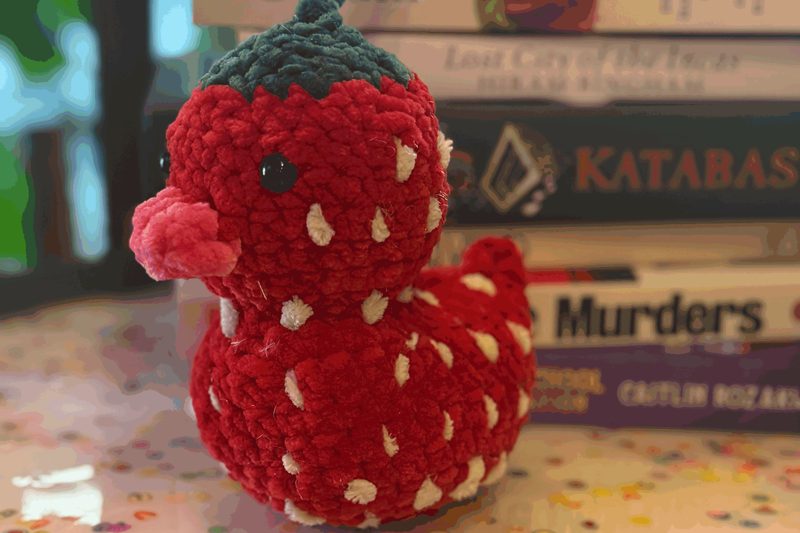
Crochet

Cross Stitch

Disc Golf

Drawing

Drones

Drums

Dungeons & Dragons

Embroidery

Fishing

Fly Fishing

Gardening

Golf

Guitar

Hiking

Home Espresso

Homebrewing

Jewelry Making

Journaling

Juggling
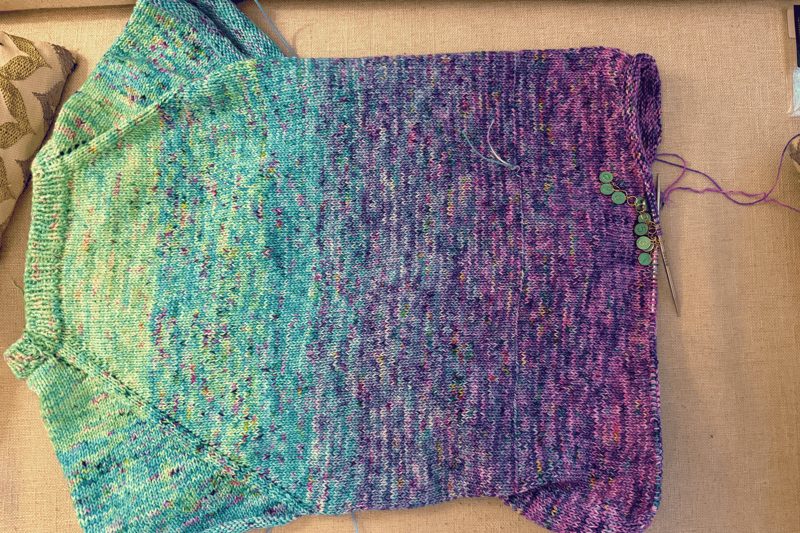
Knitting

Kombucha

Magic Tricks

Mahjong

Metal Detecting

Mountain Biking

Needlepoint

Photography

Piano

Pickleball

Quilting

Reading

Roller Skating

Running

Sewing

Skateboarding
Skiing
Snowboarding

Soap Making

Sourdough
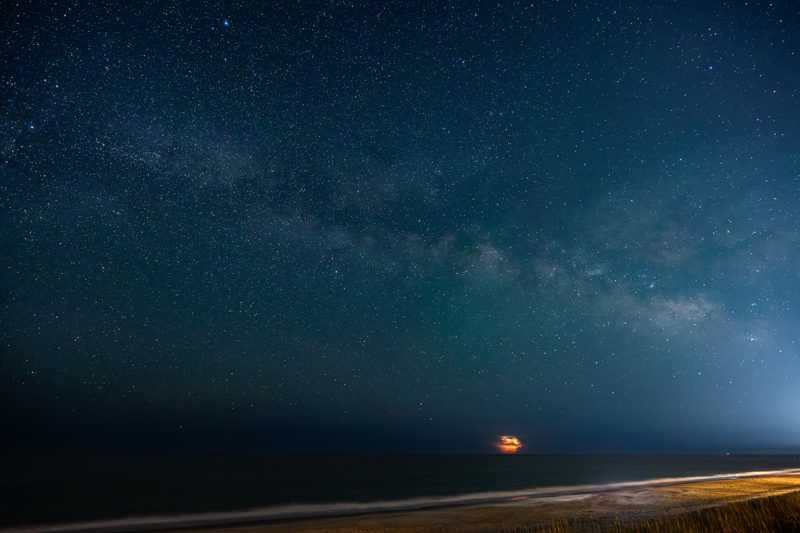
Stargazing

Ukulele

Watercolor

Woodworking
Nothing matches all of those. Try removing one filter.
Most hobby lists are just a long column of words. That’s fine if you only need a name, but a name doesn’t tell you whether a hobby costs 20 dollars or 2,000, whether you can do it in a one-bedroom apartment, or whether you’d need to find three other people. So every hobby on this list of hobbies comes with a one-line idea of how you’d start, and the ones with a full starter guide link straight to it. The guides cover what each hobby costs, what to buy (and what to skip), and your first week.
How to use this list of hobbies
There are two ways in.
1. Use the filters. The hobby cards at the top of the page are every hobby with a full starter guide. Narrow them down with four filters:
- Category: the 10 groups below, from Crafts to Mind & Words.
- Cost to start: four tiers, shown as one to four dollar signs. One means under 50 USD, two means 50 to 200, three means 200 to 500, and four means over 500. These are rough costs for a proper beginner setup, not the cheapest possible test.
- Where: Indoor, Outdoor or Both.
- Company: Solo, Social or Either.
Each card also shows how long until your first result and how long a typical session takes, so you can tell a “tonight” hobby from a “give it a month” hobby at a glance.
2. Browse the full list. Below the cards is the complete list, category by category. Hobbies with a starter guide are linked. The rest are on our list to write, and we’re adding guides every month.
Not sure where to start? The Hobby Finder quiz asks a few quick questions and suggests a short list. If you’d rather browse by theme, we also have lists of indoor hobbies, outdoor hobbies, cheap hobbies, creative hobbies, hobbies for couples and hobbies for retirees. Our hobby ideas page is the short version: 33 hobbies with a quick comparison table.
Types of hobbies: the 10 categories
We sort hobbies into ten types: Crafts, Art, Music, Food & Drink, Making & Tech, Home & Garden, Outdoors, Sports & Fitness, Games & Puzzles, and Mind & Words. Each one has its own category page with every guide we’ve written for it.
If ten feels like too many, there’s a simpler way to think about it. Most hobbies use your hands (making things: crafts, art, food, building), your head (learning, games, puzzles, writing) or your body (moving and being outdoors). Ask which of the three you want more of in your week, and start in that part of the list.
Crafts
Making things with your hands, mostly at home and mostly cheap to start. Browse all craft hobbies.
Yarn
- Crochet: one hook and a ball of yarn, and you can start a dishcloth tonight.
- Knitting: two needles and a scarf pattern; slower to learn than crochet but just as cheap.
- Macrame: knotting cord into plant hangers and wall hangings, with no tools at all.
- Weaving: a small frame loom and leftover yarn make a first wall hanging in a weekend.
- Punch needle: fast, fluffy embroidery with a hollow needle; a beginner kit is all you need.
- Spinning yarn: start with a cheap drop spindle and a bag of wool roving.
Needlework
- Embroidery: a hoop, floss and a few stitches let you draw with thread.
- Cross stitch: follow a grid chart with little X stitches; one of the most relaxing crafts there is.
- Needlepoint: wool on a painted canvas; buy a small canvas kit first.
- Sewing: a beginner machine and a tote bag pattern.
- Quilting: builds on basic sewing; start with a small lap quilt or table runner.
Home crafts
- Candle making: melt, scent and pour a soy wax kit; finished candles the same day.
- Soap making: start with melt-and-pour soap before you try lye-based cold process.
- Jewelry making: beads, wire and two pairs of pliers make a bracelet in an hour.
- Scrapbooking: an album, a glue stick and the photos already on your phone.
- Card making: cardstock, a few stamps and some patience; great for birthdays.
- Resin art: coasters and trays from epoxy resin; wear gloves and work somewhere well ventilated.
Art
No talent required: art rewards practice more than natural ability. Browse all art hobbies.
- Drawing: a pencil and a sketchbook, fifteen minutes a day.
- Watercolor: a student paint set, two brushes and proper watercolor paper.
- Acrylic painting: quick-drying paint you can cover your mistakes with; a starter set and canvas panels.
- Photography: the phone in your pocket is a fine first camera.
- Oil painting: slow-drying and rich; water-mixable oils let you skip the solvents.
- Gouache: opaque watercolor, great for illustrations; a small set goes a long way.
- Urban sketching: draw what’s in front of you on location; a pocket sketchbook and a pen.
- Calligraphy: brush pens and free practice sheets for modern lettering.
- Digital art: a tablet and a drawing app; you can start on a phone.
- Pottery: take a beginner wheel class at a community studio first.
- Clay sculpting: air-dry or oven-bake clay on the kitchen table.
- Linocut printmaking: a carving tool set, a lino block and some ink make your own prints.
- Stained glass: take a weekend class; the tools and safety take some learning.
- Wood carving: a carving knife, a block of basswood and a cut-resistant glove.
- Comics and cartooning: a pen, paper and a three-panel story.
Music
Adults learn instruments all the time. Pick one that plays the music you already love. Browse all music hobbies.
- Guitar: a handful of chords plays thousands of songs; expect sore fingertips at first.
- Piano and keyboard: a 61-key keyboard and a free app or video course. See our beginner keyboard picks.
- Ukulele: the quickest instrument to play a real song on, often in a weekend.
- Drums: start with a practice pad and sticks before buying a kit (or an electronic kit, for the neighbors’ sake).
- Singing: join a community choir; many welcome beginners and don’t hold auditions.
- Bass guitar: four strings, simple lines, and every band needs one. A bass fretboard map helps you learn the notes.
- Violin: rent before you buy, and take a few lessons early to get the basics right.
- Harmonica: cheap, pocket-sized, and you can play simple blues within a week. Most of it follows the 12 bar blues pattern.
- Flute: rent one through a music shop and learn with a teacher or video course.
- Cello: rent-to-own programs at music shops make it far cheaper to try than buying.
- Music production: free software like GarageBand on a Mac or iPhone is enough to start.
- DJing: a beginner controller and free software let you mix tracks on day one.
- Songwriting: a notebook, a few chords and a voice memo app.
Food & Drink
Hobbies you get to eat or drink, which is a strong selling point. Browse all food and drink hobbies.
- Sourdough and bread: flour, water and a jar; your starter is usually lively within one to two weeks.
- Home espresso: a real investment in a machine and grinder, but a daily payoff.
- Kombucha: a jar of sweet tea and a SCOBY; first batch in one to two weeks.
- Cooking a new cuisine: one dish a week from a cuisine you love eating out.
- Cake decorating: a piping bag, a few tips and a box cake mix to practice on.
- Fermenting vegetables: sauerkraut and kimchi need only cabbage, salt and a jar.
- Pasta making: flour, eggs and a rolling pin; a pasta machine is optional.
- Cheese making: start with fresh cheeses like ricotta or mozzarella from a kit.
- Homebrewing beer: a one-gallon starter kit makes a first batch on the stovetop.
- Wine making: a kit and a carboy; patience is the main ingredient.
- Canning and preserving: jam is the easy start; always follow tested recipes for safety.
- Barbecue and smoking: learn fire and temperature on the grill you already own.
- Coffee roasting: an old-style hot-air popcorn popper roasts green beans for very little.
- Mixology: a shaker, a jigger and three classic recipes.
- Tea tasting: a sampler of loose-leaf teas and a simple infuser.
Making & Tech
For tinkerers, builders and people who like taking things apart. Browse all making and tech hobbies.
- 3D printing: modern beginner printers work almost out of the box; print a phone stand on day one.
- Woodworking: start with hand tools and a simple box, or a class at a community workshop.
- Electronics and Arduino: a starter kit with a breadboard, LEDs and a microcontroller.
- Coding: free online courses and a laptop you already own.
- Drone flying: a cheap beginner drone to learn on, and the rules first (see below).
- Robotics: beginner robot kits teach coding and electronics together.
- Ham radio: study for the entry-level license exam with free online materials.
- Video editing: free editors like DaVinci Resolve and a folder of phone videos.
- Podcasting: a USB microphone and free recording software.
- Model building: plastic model kits, glue and a hobby knife.
- LEGO building: sets for adults, or a bin of loose bricks and your own designs.
- RC cars: a ready-to-run car and a parking lot.
- Leatherworking: a starter tool kit and a card wallet pattern.
- Laser cutting and engraving: try one at a makerspace before buying.
- Blacksmithing: take an intro class at a forge; this is not a home-garage start.
Home & Garden
Growing things and looking after living things. Browse all home and garden hobbies.
- Gardening: herbs on a windowsill or tomatoes in pots.
- Bonsai: a hardy nursery juniper rather than a fragile kit.
- Houseplants: a pothos or snake plant is very hard to kill.
- Vegetable gardening: one raised bed and three easy crops.
- Container gardening: pots on a balcony or patio, no yard needed.
- Composting: a bin for kitchen scraps turns into free soil.
- Terrariums: a glass jar, gravel, soil and a few small plants.
- Hydroponics: a countertop kit grows herbs without soil.
- Aquariums: a mid-size tank is more forgiving than a tiny one; cycle it for a few weeks before adding fish.
- Beekeeping: take a local beekeeping course and check local rules first.
- Backyard chickens: check your town’s rules, then start with a small flock of three or four hens.
- Flower arranging: grocery store flowers and a pair of sharp scissors.
- Furniture restoration: sand and repaint a thrift store chair.
- Birdfeeding: one feeder by a window and a field guide.
Outdoors
Getting out of the house, from your street to the backcountry. More in our outdoor hobbies list. Browse all outdoor hobbies.
- Hiking: a marked trail under five miles and shoes you’ve already broken in.
- Camping: car camping at a campground with a borrowed tent.
- Backpacking: an overnight trip after a few long day hikes; rent the gear first.
- Birdwatching: binoculars and a free ID app on your next walk.
- Fishing: a rod-and-reel combo, a fishing license and a stocked pond.
- Fly fishing: take a lesson; casting is a skill of its own.
- Kayaking: rent a sit-on-top kayak on a calm lake for an hour.
- Paddleboarding: rent a board on flat water; easier than it looks.
- Surfing: a lesson with a big soft board at a beginner beach.
- Rock climbing: start at an indoor gym with rental shoes.
- Mountain biking: rent a bike at a trail center and ride the green trails.
- Geocaching: a free app and the hidden caches near your home.
- Metal detecting: an entry-level detector and permission from the landowner before you dig.
- Stargazing: your eyes, a star app and binoculars before any telescope.
- Foraging: learn with a local expert first; never eat what you can’t identify.
Sports & Fitness
Moving your body, solo or with a team. Browse all sports and fitness hobbies.
- Running: a pair of shoes and a nine-week beginner plan like Couch to 5K.
- Golf: a bucket of balls at the range and a used half set.
- Roller skating: quad skates, pads and a smooth parking lot or rink.
- Disc golf: a few discs and a free park course.
- Pickleball: a cheap paddle and an open-play session at your local courts.
- Tennis: a beginner clinic at a public court or club.
- Swimming: adult learn-to-swim or lap swim at your local pool.
- Yoga: a mat and a free beginner video series.
- Cycling: the bike you have and a quiet route.
- Skateboarding: a complete beginner board and a helmet.
- Ice skating: rental skates at a public rink.
- Skiing: a beginner lesson package with rentals included.
- Snowboarding: a beginner lesson package, and expect to fall a lot on day one.
- Martial arts: a trial class at a local dojo or gym; many offer one free.
- Archery: a lesson at an archery range, with gear provided.
- Table tennis: a club night or a table in the garage.
- Dance: a beginner class in salsa, swing or hip-hop.
- Bowling: a league night; the alley has everything you need.
Games & Puzzles
Good for your brain and a regular excuse to see friends. Browse all games and puzzles.
- Mahjong: a tile set, three friends and a beginner lesson.
- Dungeons and Dragons: the free basic rules and a starter set.
- Chess: free online on Lichess or Chess.com, with puzzles for beginners.
- Jigsaw puzzles: a 500-piece puzzle on the dining table.
- Rubik’s cube: the beginner layer-by-layer method, learned in a weekend.
- Board games: start with a modern gateway game and a game night.
- Bridge: a beginner class at a local bridge club.
- Magic: The Gathering: two starter decks and a store’s beginner night.
- Crosswords: start with a Monday New York Times crossword, the easiest of the week.
- Sudoku: free puzzles in apps and newspapers.
- Backgammon: a cheap board and twenty minutes to learn the rules.
- Poker: a home game with friends and low stakes, or chips only.
- Escape rooms: book one with friends and see how far you get.
- Trivia nights: find a weekly pub quiz and build a team.
- Video games: pick one cozy game on hardware you already own.
Mind & Words
Reading, writing, learning and collecting. Browse all mind and words hobbies.
- Reading: a library card and a book club. For your next pick, browse books set in places you’d like to visit on The Dogear, a world map of books.
- Journaling: a notebook and ten minutes before bed.
- Creative writing: a short story a week, or a writing group.
- Poetry: read a poem a day, then write one a week.
- Learning a language: a free app plus a weekly conversation partner.
- Genealogy: your family’s names and your library’s genealogy databases, which many libraries offer free in the branch.
- Memoir writing: one story from your life each week.
- Blogging: a free platform and something you love to talk about.
- Local history: your library’s local history room and old maps.
- Meditation: five minutes a day with a free app.
- Public speaking: a local Toastmasters club.
- Coin collecting: start with the coins in your change jar.
- Stamp collecting: a starter packet of world stamps and an album.
- Vinyl records: a turntable and a crate-digging trip to a used record store. Our sister site Jamwise covers how to find new music, record stores included.
- Book collecting: first editions or a favorite author, one thrift store at a time.
Collecting will get its own list page once it has enough guides. For now, collecting hobbies live under Mind & Words.
Hobbies that need a license or permission
A handful of hobbies on this list come with licenses or local rules. In the US, most adults need a state fishing license. Recreational drone pilots must pass the FAA’s short, free safety test (TRUST) and register any drone over 250 grams. Ham radio needs an FCC license, which starts with the entry-level Technician exam. Metal detecting needs the landowner’s permission, and many parks ban it or need a permit. Homebrewing beer and wine is legal for personal use in every state, within limits. Backyard chickens and beehives depend on your town’s zoning rules. Each starter guide covers the rules for that hobby.
Not legal advice: This is general information, not legal advice. Licenses, permits and local rules vary by country, state and town, and they change. Check the official rules where you live before you start, such as the FAA’s drone pages, your state wildlife agency for fishing, and your town or county office for animals. Last checked October 2026.
How to pick a hobby from a list this long
152 hobbies is a lot. A few ways to narrow it down:
- Start with your budget. Filter by one dollar sign and you’ll still have plenty to choose from. Our cheap hobbies list puts real prices on 30 of them.
- Pick a category you already lean toward. If you love music, start there. If you love food, start there.
- Choose one hobby and try it cheaply. The fastest way to find out if you love something is to do it three times, not to read about it for a month. Every starter guide begins with a cheap “try it” option.
- Still stuck? Take the Hobby Finder, or browse hobbies for adults, which is sorted by real-life limits like time, energy and space.
Not sure which of the most-started guides to open first? Crochet, 3D printing and sourdough are three of the most popular places to start.
Questions people ask
What are the top 10 best hobbies?
There's no single best list, because the best hobby depends on your budget, space and personality. Ten that are cheap to start, quick to reward you and popular with beginners are crochet, drawing, running, ukulele, sourdough, gardening, watercolor, chess, disc golf and photography with your phone.
What are the 50 most popular hobbies?
It depends how you measure it. In our October 2026 US search data, the hobbies with the most beginner searches were 3D printing, acrylic painting, ukulele, crochet, podcasting, yoga, running, knitting, piano and roller skating, followed by gardening, skateboarding, watercolor and guitar. All of them are on this page, along with more than 130 others.
What are 10 common hobbies?
There's no official count, but the hobbies most often named are reading, cooking, gardening, walking or running, playing an instrument, drawing or painting, photography, knitting or crochet, playing games and fishing.
What are 100 common hobbies and interests?
The 152 hobbies on this page cover the common ones, grouped into ten categories: crafts, art, music, food and drink, making and tech, home and garden, outdoors, sports and fitness, games and puzzles, and mind and words.
What hobbies should I put on a resume?
Only list hobbies you actually do and can talk about. Ones that show a skill or commitment work best, like running (discipline), team sports (teamwork), coding or 3D printing (technical skills), or volunteering. Keep it to two or three.
What are good hobbies for women?
The same as for anyone, since no hobby on this list is gendered. The ones women search for most include crochet, knitting, embroidery, sourdough, gardening, watercolor, running, pickleball and mahjong. We keep a longer list, sorted by what you want out of a hobby, on our hobbies for women page.
What are good hobbies for men?
Again, the same as for anyone. The ones men search for most include 3D printing, woodworking, guitar, golf, home espresso, photography, fishing and Dungeons & Dragons. There's a longer list, sorted by where and with whom, on our hobbies for men page.
What's the cheapest hobby to start?
Running, drawing, reading, journaling, chess and birdwatching can all start at or near zero. Our cheap hobbies list has 30 more, with real prices.