Gear guide · Drones
The Best Beginner Drones (2026): Our Pick, a Budget Pick and More
The short answer
Our pick is the DJI Mini 4 Pro, the drone we fly ourselves: under 250 grams, obstacle sensing all around, and a camera good enough for photos you'll want to print. On a budget, get the DJI Flip, our budget pick, which has built-in prop guards and folds flat. To spend less still, the DJI Mini 4K covers the basics. If you'd rather avoid DJI, the Potensic Atom 2 is the closest alternative. Whatever you buy, take the free TRUST test before you fly.
Our picks at a glance
| Pick | Label | Best for | Roughly | Buy |
|---|---|---|---|---|
| DJI Mini 4 Pro | Used it | Best beginner drone overall | 760–1,100 USD | Check price ↗ |
| DJI Flip | Used it | Best budget camera drone | 310–450 USD | Check price ↗ |
| DJI Mini 4K | Community favorite | Cheapest good camera drone | 210–330 USD | Check price ↗ |
| Potensic Atom 2 | Researched pick | Best non-DJI camera drone | 250–350 USD | Check price ↗ |
| Holy Stone HS210 | Community favorite | Best for learning the sticks indoors | 25–40 USD | Check price ↗ |
| Holy Stone HS175D | Researched pick | Best budget GPS drone | 150–200 USD | Check price ↗ |
| DJI Neo | Researched pick | Best for selfies and following you | 170–300 USD | Check price ↗ |
 ✓ Used it · our pick
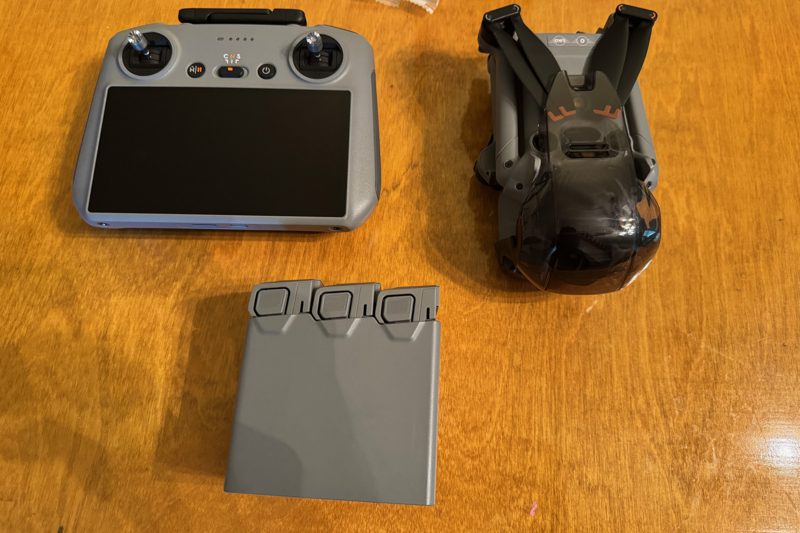
1.DJI Mini 4 Pro
Best for: Best beginner drone overall
Why: Under 250 grams, obstacle sensing in every direction, smart subject tracking and a camera that holds up at sunrise and sunset. Easy enough for a first flight, good enough that you won't outgrow it.
The catch: Expensive for a first drone, and US stock comes and goes. The Plus battery takes it over 250 grams, which means FAA registration and Remote ID.
2.DJI Flip
Best for: Best budget camera drone
Why: A 249-gram folding drone with full built-in prop guards, a 3-axis gimbal, 4K video and obstacle sensing in front. The guards make it far more forgiving of beginner bumps.
The catch: The guards catch the wind, so it's less steady than the Mini 4 Pro in a breeze, and the camera is a step down in low light.
3.DJI Mini 4K
Best for: Cheapest good camera drone
Why: Weighs under 250 grams, with GPS, one-tap return-to-home, a 3-axis gimbal and 4K video. It's the camera drone beginner forums and drone reviewers point to most often for a first purchase.
The catch: No obstacle sensing, so it will fly straight into a tree. Get the Fly More bundle if you can, because one battery is a short day.
4.Potensic Atom 2
Best for: Best non-DJI camera drone
Why: Another sub-250-gram GPS drone with a 3-axis gimbal and 4K video. Owner reviews and drone reviewers praise its stable flight and image quality for the price.
The catch: No obstacle sensing, and reviewers note it gets pushed around in strong wind. It often costs about the same as the DJI Mini 4K.
5.Holy Stone HS210
Best for: Best for learning the sticks indoors
Why: A tiny, light toy drone with prop guards and three batteries in the box. It has no GPS, so it drifts, which is exactly what teaches you to fly by hand.
The catch: No camera, only a few minutes per battery, and useless in any wind. Treat it as a trainer.
6.Holy Stone HS175D
Best for: Best budget GPS drone
Why: A sub-250-gram folding drone with GPS, return-to-home and brushless motors, usually sold with two batteries. It gives you the safety features of a camera drone for less.
The catch: No mechanical gimbal, so video is shakier than the DJI or Potensic. Fine for learning, less so for footage you want to keep.
7.DJI Neo
Best for: Best for selfies and following you
Why: A 135-gram drone with full prop guards that takes off from and lands on your palm. It can fly preset shots that follow or circle you without a controller.
The catch: Short flights and a small camera. It's built for automatic shots, so it teaches less about manual flying. Add the RC-N3 controller bundle if you want to fly it by hand.
The best beginner drone depends on what you want from it. If you want photos and video, get a sub-250-gram camera drone with GPS and a gimbal. If you just want to learn to fly, a cheap toy drone teaches more than you’d expect. Either way, the FAA rules are the same: take the free TRUST test, check the airspace, and stay under 400 feet where you can see the drone. New to drones? Our drones for beginners guide explains the rules and walks you through your first week of flying.
How we chose
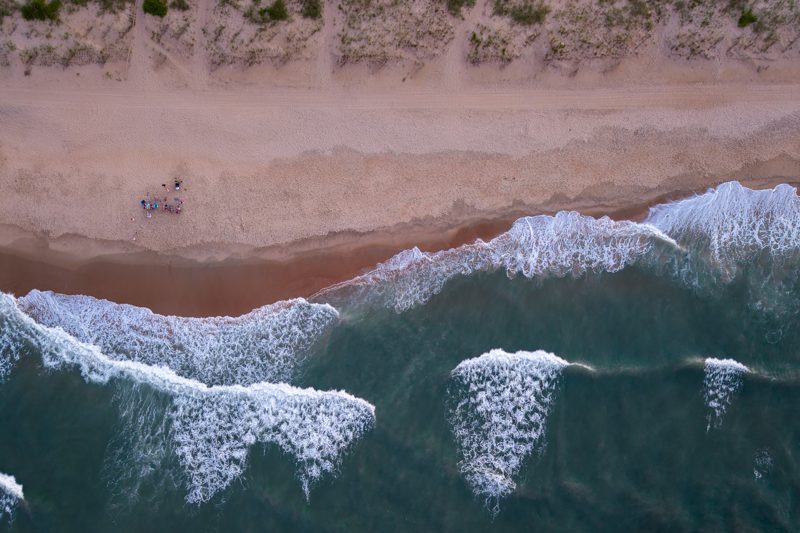
We fly the DJI Mini 4 Pro, our pick, and the DJI Flip, our budget pick, and every aerial photo on this page is our own. We haven’t flown the other drones, so for those we read manufacturer specs and weight figures, long-term owner reviews, drone reviewers’ write-ups and the advice that comes up again and again in r/drones and other beginner communities. Each pick’s label says how it was chosen (how we choose). We filtered for what matters most to a first-time pilot:
- Under 250 grams, so there’s no registration or Remote ID for recreational flying.
- GPS and return-to-home, so the drone holds its position and comes back if the signal drops.
- A 3-axis gimbal, for smooth video.
- Easy to get parts for, like spare batteries and propellers.
- Available to buy in the US right now.
- Price, weighed against all of the above.
We’ll update this page as models and rules change, and we re-check every pick before each holiday season.
DJI Mini 4 Pro: our pick for the best beginner drone
The Mini 4 Pro is the drone we fly, and it’s the one we’d recommend to a beginner who’s serious about aerial photos. It weighs under 250 grams with the standard battery, so recreational flyers don’t need to register it. It has obstacle sensing in every direction, which means it will stop before it hits a tree, a big deal when you’re still learning. Its camera uses a larger sensor than DJI’s entry-level drones, shoots 4K at high frame rates and can flip to vertical for social clips. ActiveTrack follows a subject on its own while you concentrate on the shot.
Who it’s for: beginners who know they want great aerial photos and video, and anyone who’d rather buy once.
Worth knowing: it’s a lot to spend on a first drone. Get the Fly More bundle if you can: three batteries and a charging hub turn a 25-minute outing into an afternoon. US stock has been patchy since late 2025, so buy from an authorized seller. The larger Plus battery takes it over 250 grams, so you’d need to register it and fly with Remote ID.
Want better low-light photos? The newer DJI Mini 5 Pro is a great upgrade, with a 1-inch sensor that makes a real difference at dawn, dusk and night. The catch for US buyers: it isn’t officially sold in the US, because new DJI models can’t currently get FCC approval. You’d be buying an imported unit from a third-party seller, usually without US warranty support.
DJI Flip: our budget pick
The Flip is the drone we’d hand someone on a tighter budget. It weighs 249 grams and folds flat, and its propellers sit inside full, built-in guards, so a bump into a branch or a wall is far less likely to end the flight. It still has a 3-axis gimbal, 4K video, front obstacle sensing and DJI’s GPS hold and return-to-home. It can also take off from your palm and fly automatic follow and orbit shots, like the DJI Neo, but with a much better camera.
Who it’s for: beginners who want a real camera drone for less, families, and anyone nervous about crashing.
Worth knowing: the guards make it bulkier than a Mini and more easily pushed around by wind. The camera is good in daylight but a step behind the Mini 4 Pro at sunrise and sunset. Prices swing a lot: it has often dropped to roughly 350 USD with a controller, so watch for a sale.
What a beginner drone can shoot
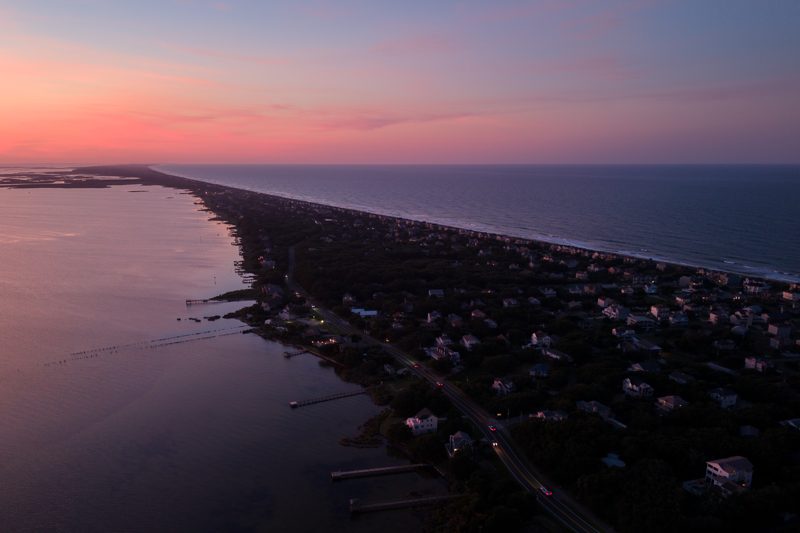
These are all from our own flights. None of them needed expensive gear or editing tricks, just good light and a little patience.
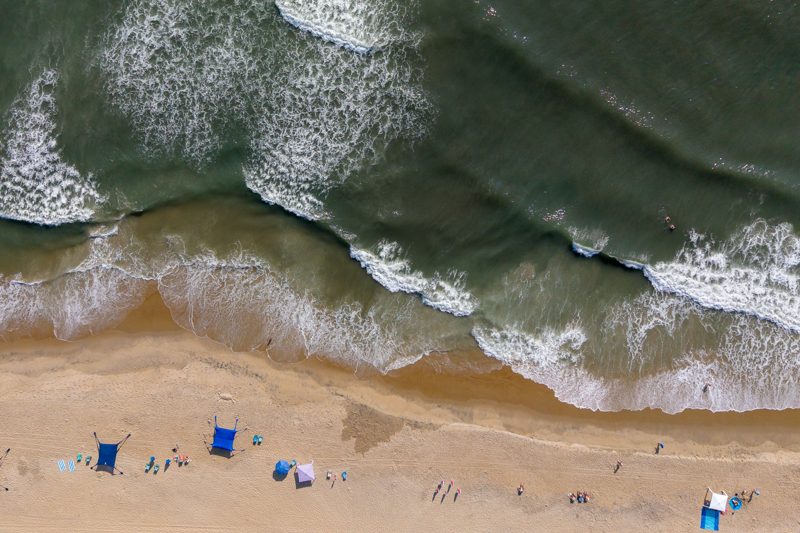

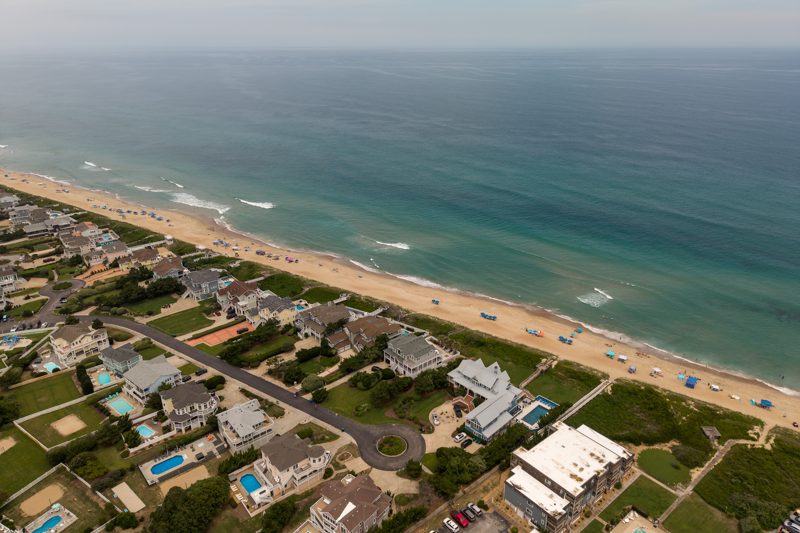
A few tips that made the biggest difference for us: fly at golden hour, try the camera pointed straight down, keep the horizon level, and move slowly. Slow, smooth movements look far better on video than fast ones. Always check the airspace in an app like B4UFLY or Aloft before you take off, especially near cities.
DJI Mini 4K: best for the lowest price
The Mini 4K is DJI’s entry-level camera drone. It weighs just under 250 grams, shoots 4K video on a 3-axis gimbal, holds position with GPS and has one-tap takeoff, landing and return-to-home. It’s the model beginners and reviewers recommend most often as a first camera drone, mostly because it does the basics well at a low price.
Who it’s for: anyone who wants smooth aerial photos and video for as little as possible.
The catch: it has no obstacle sensors, so it won’t stop for a tree or a wall. Fly in open space until you’re confident. A single battery gives you only a short session, so the Fly More bundle with extra batteries and a charging hub is worth it if the price is close.
Potensic Atom 2: best non-DJI camera drone
The Atom 2 is the most common DJI alternative in this class. It’s also under 250 grams, with GPS, a 3-axis gimbal and 4K video. Owner reviews and drone reviewers rate its flight stability and image quality well for the price.
Who it’s for: beginners who want a sub-250-gram camera drone but prefer another brand.
The catch: no obstacle sensing, and reviewers note it struggles more in strong wind than they’d like. Bundle prices vary a lot, so compare it with the DJI Mini 4K on the day you buy.
Holy Stone HS210: best for learning the sticks indoors
This is a palm-sized toy drone with full prop guards, a headless mode for beginners and three batteries in the box. It has no GPS and no camera. That’s the point. It drifts, so you learn to correct with the sticks, and it bounces off furniture without drama. It’s a long-time favorite among cheap trainer drones.
Who it’s for: kids (with an adult), and adults who want to build stick skills before flying an expensive drone outdoors.
The catch: a few minutes per battery and no use in wind. Indoors or on a totally still day only.
Holy Stone HS175D: best budget GPS drone
The HS175D gives you the key safety features of a camera drone, GPS hold and return-to-home, for less than the DJI or Potensic. It folds up, weighs under 250 grams and usually comes with two batteries.
Who it’s for: beginners on a tight budget who want to fly outdoors safely, and older kids ready for a step up from a toy.
The catch: there’s no mechanical gimbal, so video is noticeably shakier. If smooth footage is the goal, save for a gimbal drone.
DJI Neo: best for selfies and following you
The Neo is a tiny, 135-gram drone with full prop guards. It launches from your palm, flies a preset shot that follows, circles or pulls away from you, and lands back in your hand. You can fly it with a phone, by voice or with an optional controller.
Who it’s for: hikers, cyclists and travelers who want quick, automatic clips of themselves.
The catch: short flight times and a small camera. It’s mostly an automatic camera, so you’ll learn less about flying unless you buy the controller bundle.
What to look for in your first drone
- Weight under 250 grams. No registration or Remote ID for recreational flying, and less damage if it crashes.
- GPS and return-to-home. These make flying outdoors much less stressful.
- A 3-axis gimbal if you care about video.
- Spare batteries. Plan on at least two, ideally three.
- Easy-to-find propellers. You’ll chip a few.
- Obstacle sensing is nice to have. Open spaces and slow flying do the same job.
- US availability. Buy from an authorized seller, and check that the exact model is FCC-approved for sale in the US.
Toy drones vs camera drones
Toy drones cost about 25 to 50 USD. They have no GPS, so they drift and need constant correction, which builds real stick skill. They survive crashes and fly indoors, but they can’t handle wind and most have no useful camera.
Camera drones cost about 150 to 400 USD for beginner models. GPS holds them steady, return-to-home brings them back and a gimbal smooths the video. They’re easier to fly outdoors, but a crash is expensive, and you need to know the airspace rules.
If you’re unsure, buy a toy first. A week of indoor practice makes your first camera drone flight much calmer.
Sub-250 g drones and Remote ID, explained
- Under 250 grams, flown for fun: no FAA registration and no Remote ID. You still pass TRUST and follow every other rule.
- 250 grams or more, flown for fun: register on FAADroneZone (5 dollars, three years, covers all your recreational drones), label the drone and broadcast Remote ID.
- Any weight, flown for work: register, broadcast Remote ID and hold a Part 107 Remote Pilot Certificate.
- Watch the extras. Bigger batteries, prop guards and accessories can push a “sub-250” drone over the line.
Skip these as a first drone
- No-name camera drones without GPS that promise 4K for very little money. They drift away outdoors and the “4K” is usually upscaled.
- FPV racing drones before you can fly a regular drone. They’re fast, fragile and harder to learn.
- Big drones over 250 grams before you know you’ll stick with it.
- Gray-market imports. They may not work with US apps or carry a warranty.
Drone safety for beginners
- Fly in open space, away from trees, power lines, people and roads.
- Check the airspace in a B4UFLY app before every flight in a new place.
- Check the wind, and land with 20 to 30 percent battery left.
- Keep it in sight at all times.
- Never fly near wildfires, emergency scenes or stadiums during events.
- Store and charge batteries safely. Use the maker’s charger, don’t charge unattended overnight, and stop using any swollen battery.
More to try
Pair your drone with our photography guide to get more from the camera, or our best camera for beginners if you want a camera for the ground too. For more ideas, see our outdoor hobbies list.
Questions people ask
What is the best drone for a total beginner?
Our pick is the DJI Mini 4 Pro, the drone we fly: under 250 grams, with obstacle sensing all around and a great camera. On a budget, the DJI Flip is our budget pick, and the DJI Mini 4K is the cheapest good option. Any sub-250-gram GPS camera drone is a good start. GPS holds it steady when you let go of the sticks, return-to-home brings it back, and under 250 grams you don't need to register it for recreational flying.
Do I need to register a beginner drone?
Only if it weighs 250 grams or more, or if you fly it for work. Registration on FAADroneZone is 5 dollars for three years. Every recreational flyer, whatever the drone's weight, must pass the free TRUST test. This is general information, not legal advice.
What is Remote ID?
A signal that broadcasts a drone's identity and location, a bit like a digital license plate. Every drone that must be registered must broadcast Remote ID. Recreational drones under 250 grams don't need it.
Should I buy a toy drone or a camera drone first?
Either works. A toy drone is cheap and teaches stick skills indoors. A camera drone is easier to fly outdoors thanks to GPS, and you'll want one if photos and video are the goal. Many people buy a toy first, then a camera drone a few weeks later.
Can you still buy DJI drones in the US?
Yes, for models the FCC approved before December 2025, including the DJI Mini 4K and Mini 4 Pro. New DJI models can't get FCC approval. Stock of some models, like the Mini 4 Pro, is limited, so buy from an authorized seller.
Can you buy the DJI Mini 5 Pro in the US?
Not officially. New DJI models can't currently get FCC approval, so the Mini 5 Pro is only available in the US through third-party importers, usually without US warranty support. It's a great drone, especially for low light, but the Mini 4 Pro is the easier buy.
How long do beginner drone batteries last?
Toy drones fly about five to ten minutes per battery. Sub-250-gram camera drones are usually rated around 20 to 34 minutes, and real-world flights are often a few minutes shorter, especially in wind or cold.
Is a 4K camera necessary on a beginner drone?
Not necessary, but nice. What matters more is a 3-axis gimbal, which keeps footage smooth. A stabilized 2.7K or 4K drone beats an unstabilized 4K drone every time.
New to drones? Start with our drones beginner's guide.