
The short answer
Buy a 6 to 7 foot medium spinning rod-and-reel combo, a pack of small hooks, split shot and bobbers, and a tub of worms. Get a state fishing license if you're old enough to need one, then head to a local pond or lake with a public dock. Fish a worm under a bobber near weeds or the dock, and you'll probably catch sunfish on day one. A complete starter setup costs roughly 60 to 120 USD.
Fishing at a glance
Cost to start
$$ $50 to $200
First result
A weekend
Per session
1-2 hrs
Learning curve
Gentle
| Cost to start | Roughly 60 to 120 USD for a rod-and-reel combo, basic tackle and bait. A state license usually adds about 15 to 70 USD a year for residents. |
|---|---|
| Ongoing cost | Low: bait, replacement hooks and line, and your yearly license |
| Time to first result | Your first fish is often on the first trip, especially sunfish and bluegill from a pond. |
| Time per session | 1 to 3 hours at a local pond, or a whole morning on a lake or the coast |
| Space needed | Outdoors or a venue |
| Indoor or outdoor | Outdoor |
| Solo or social | Either |
| Physical intensity | Low |
| Learning curve | Gentle: catching small fish is easy to learn in an afternoon, but reading water and finding bigger fish takes years |
| Good if you like | quiet time outdoors, a little patience and a little luck, trips with kids, catching your own dinner |
| Good for ages | Any age. Small kids do well with a short spincast rod and an adult nearby. |
| Noise and mess | Quiet. A little mess from bait and fish, and you'll come home smelling of the lake. |
| Best season | Year-round in many places. Spring and early summer are the easiest times to catch fish, and ice fishing keeps cold regions going in winter. |
Fishing for beginners is simpler than the tackle shop makes it look. You need a rod and reel, a few hooks, some weights and bobbers, a tub of worms, and a license if your state requires one. This guide covers how to start fishing, what to buy, where to go, the two knots worth learning, and how to catch your first fish.
What fishing actually is (and why people love it)
Recreational fishing in the US mostly means freshwater fishing from the bank, a dock or a small boat. You cast bait or a lure into the water, wait for a fish to bite, set the hook, and reel it in. Then you either release it or keep it to eat, within your state’s limits.
The most common targets are sunfish (including bluegill), bass, crappie, perch, catfish and trout. Saltwater fishing from piers, beaches and jetties is just as easy to start if you live on the coast.
People love fishing because it gets you outside, slows you down, and still has a little thrill built in. A quiet morning on a pond can turn into a bent rod at any moment. It’s also one of the best hobbies to share with kids, since sunfish bite often enough to keep a short attention span busy.
Is fishing right for you?
You’ll probably love it if:
- You like spending time near water and don’t mind sitting still for a while.
- You want an outdoor hobby you can do alone, with friends or with kids.
- You enjoy puzzles. Figuring out where fish are and what they’ll eat is a game you never finish.
- You’d like to catch some of your own food.
Maybe skip it (or try something else) if:
- Handling live bait and fish really bothers you. Artificial lures help, but you’ll still need to unhook fish.
- You want a fast, active hobby. Fishing has bursts of action and long quiet spells. Hiking or disc golf keep you moving more.
- You don’t have any public water nearby. Check a map first, since most people live closer to a fishable pond than they think.
Fishing or fly fishing?
Regular fishing with a spinning rod is the easier place to start. It’s cheaper, it works almost everywhere, and you can catch fish on day one with worms. Fly fishing uses a weighted line to cast nearly weightless flies, and it takes more practice to cast. Many people learn spin fishing first and add fly fishing later.
What fishing gear does a beginner need?
Keep it simple. This is all you need for most freshwater fishing.
- A spinning rod-and-reel combo: 6 to 7 feet long, medium power, already spooled with line. A combo saves you from matching parts.
- Line: 6 to 10 pound monofilament is forgiving and cheap. Most combos come with it.
- Hooks: a pack of size 6 and 8 hooks for panfish and small bass.
- Split shot: small weights you pinch onto the line to sink your bait.
- Bobbers: small round floats that hold your bait at a set depth and dip when a fish bites.
- Bait or lures: a tub of worms, plus a few soft plastic worms or a small inline spinner.
- Needle-nose or fishing pliers: for removing hooks safely.
- A small tackle box to keep it all sorted.
Spinning, spincast or baitcasting?
- Spinning reels hang under the rod and have an open spool and a wire bail. They’re the standard beginner choice for teens and adults.
- Spincast reels have a closed cover and a push button. They’re the easiest to cast, so they suit young kids, but they tangle more and cast less far.
- Baitcasting reels sit on top of the rod and are popular with bass anglers. They take practice to cast without tangles, so save them for later.
How much does fishing cost to start?
Try it
free
Go to a free fishing day in your state, when many states waive the license, or a kids' fishing event. Some state parks and libraries lend rods and tackle for free.
Proper starter
about 60 to 120 USD
A 6 to 7 foot medium-power spinning combo spooled with 6 to 10 pound line, a small tackle box with hooks, split shot, bobbers and a few soft plastic lures, plus pliers for removing hooks. Add your state license.
Upgrade later
150 to 500+ USD
A second rod set up for a different job (light for panfish, heavier for bass or the coast), a smoother reel, a tackle bag, polarized sunglasses, and maybe a kayak or a castable sonar once you know what you like.
Don't buy yet: a baitcasting reel, a boat, or a giant 300-piece tackle kit. Baitcasters tangle easily in beginner hands, and most of the lures in a mega kit will sit unused. A simple spinning combo and a handful of hooks, weights and bobbers will catch more fish in your first year.
Do you need a fishing license?
In most of the US, yes, if you’re an adult. Each state sets its own rules for who needs a license, what it costs and how long it lasts. Kids under a certain age, often 16, usually fish free, and some states offer discounts for seniors, veterans and people with disabilities.
- Buy it online. Most states sell licenses on their fish and wildlife website, and many have an app. Bait shops and big outdoor stores sell them too.
- Freshwater and saltwater can differ. Many coastal states sell separate licenses or add-on stamps for saltwater and for trout.
- Free fishing days. Many states hold one or more free fishing days each year, often in early June, when residents and visitors can fish without a license. Size limits and other rules still apply.
- Know the limits. Regulations set the seasons, how many fish you can keep (the bag limit) and minimum sizes for each species. Your state publishes a regulations booklet each year, often as a free PDF or app.
The quickest way to find your state’s license page is the Take Me Fishing license finder, which links to each state’s official site.
Where to go fishing near you
- Small public ponds and lakes: the best first spot. Look for city and county park ponds, especially ones your state stocks with fish.
- Docks and fishing piers: fish gather around the shade and structure, and you don’t need to cast far.
- State parks: many have lakes with easy bank access, and some lend gear.
- Stocked trout waters: many states stock trout in spring and fall and publish the schedule online.
- Piers and jetties on the coast: a good saltwater start, with no boat needed.
Your state’s fish and wildlife agency usually has a map of public fishing access. The Take Me Fishing site and apps like Fishbrain can also show places near you. Always fish where public access is clearly allowed, and ask permission before fishing on private land.
Where fish hide
Fish want food, cover and comfortable water. Look for weed edges, fallen trees, docks, rocks, drop-offs and shady spots. In summer, fish feed most in the early morning and evening. In spring, many species move into shallow water to spawn.
Fishing safety for beginners
- Watch the hooks. Look behind you before you cast, keep kids at a safe distance, and wear sunglasses to protect your eyes. Pinching down the barb with pliers makes hooks easier to remove from fish and from you.
- Wear a life jacket on any boat, kayak or canoe, and keep kids in one near deep water. Slippery rocks and steep banks catch people off guard.
- Sun and heat: wear a hat, sunscreen and a long-sleeve sun shirt, and bring water. Reflected sun off the water burns fast.
- Ticks and bugs: use repellent, wear long pants in tall grass, and check for ticks when you get home.
- Weather: leave the water at the first sign of lightning. A fishing rod makes a great lightning rod.
- Eating your catch: check your state’s fish consumption advisories, since some waters have limits on how often to eat certain fish.
How to start fishing: your first week
The goal for week one is to rig up, learn to cast, and catch a fish.
- Get your license (day 1): check your state’s rules and buy one online if you need it.
- Learn two knots (day 1): the improved clinch knot and the Palomar knot. Either one ties a hook or lure to your line. Practice at home with a piece of string until you can tie one without looking.
- Practice casting (days 1 to 2): in a yard or park, tie on a bobber or a casting plug with no hook. Open the bail, hold the line with your finger, swing the rod forward and let go of the line as the rod points at your target. Aim for smooth, not far.
- Rig a bobber and worm (day 2): tie on a size 6 or 8 hook, pinch one small split shot about 6 inches above it, and clip a bobber 1 to 3 feet above that. Thread a small piece of worm onto the hook so the point is covered.
- Go to a pond (days 2 to 4): cast near weeds or a dock, and watch the bobber. When it dips or moves sideways, lift the rod firmly and reel. If nothing bites in 15 minutes, move.
- Handle and release (days 3 to 7): wet your hands, hold the fish gently, back the hook out with pliers, and return it to the water quickly. If you’re keeping fish, check the size and bag limits first.
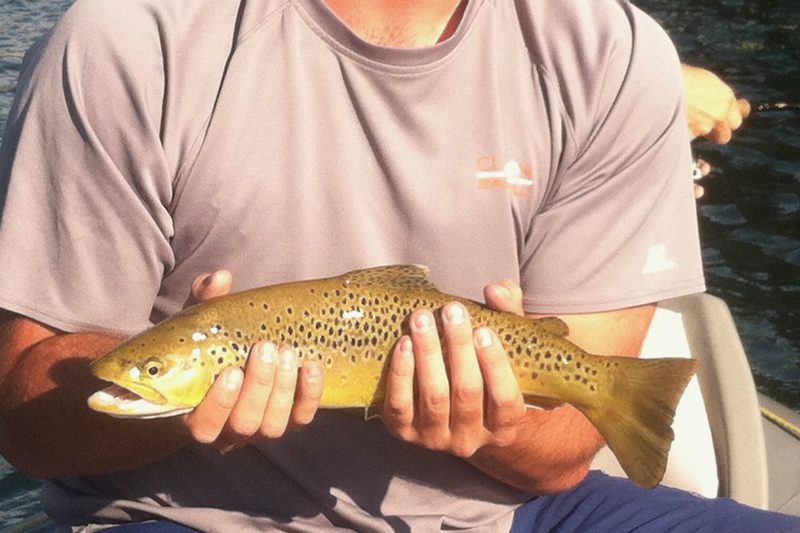
Your first project: catch five sunfish in one trip. Once you can do that, you know how to rig, cast, read a bobber and handle fish.
Your first three months
Fishing is easy to start and takes a lifetime to master. Here’s what normal progress looks like.
- How to practice: fish short trips often. An hour at a local pond twice a week teaches more than one long day a month. Keep a simple log of where, when, the weather and what worked.
- By the end of month 1: you can tie your knots without looking, cast where you aim most of the time, and catch sunfish reliably. You’ve tried a soft plastic worm or a small spinner.
- By month 3: you’ve caught a few different species, maybe a bass or a trout, and you’ve started to notice patterns, like which spots hold fish at which times of day.
- The wall most people hit: going several trips without catching anything. Fishing slumps are normal. Go back to bait and bobbers at a pond you know holds fish, try early mornings, or ask at a local bait shop. Staff there know what’s biting and are usually happy to help.
Common beginner mistakes
- Using hooks that are too big. Small hooks catch more fish. Size 6 or 8 is plenty for most panfish.
- Too much bait. A small piece of worm covering the hook works better than a whole worm dangling off it.
- Setting the bobber too deep or too shallow. If nothing bites, change the depth by a foot or two.
- Staying in one spot too long. If you haven’t had a bite in 15 to 20 minutes, move.
- Loose reel drag. Set the drag so line slips under a firm pull but not a light one, then leave it.
- Leaving line and trash behind. Old fishing line tangles birds and wildlife. Pack it out every time.
Fishing words you’ll hear
- Combo: a rod and reel sold together, usually already spooled with line.
- Power and action: power is how stiff the rod is (light, medium, heavy). Action is where it bends (fast bends near the tip).
- Drag: the reel’s adjustable brake that lets a big fish pull line without breaking it.
- Bail: the metal arm on a spinning reel that you open to cast and close to reel.
- Terminal tackle: hooks, weights, swivels and bobbers, the small parts at the end of your line.
- Panfish: small fish like bluegill, sunfish, perch and crappie, named because they fit in a pan.
- Catch and release: letting fish go after you land them.
- Bag limit: how many fish of a species you can keep in a day.
The best free resources for learning to fish
- Beginner guides: Take Me Fishing has free how-tos on knots, rigs, casting and fish species, plus a map of places to fish.
- Your state agency: state fish and wildlife websites post stocking schedules, public access maps and regulations, and many run free beginner clinics and kids’ fishing days.
- Videos: search YouTube for “how to tie an improved clinch knot”, “how to cast a spinning reel” and “bobber fishing for bluegill”.
- Apps: Fishbrain shows catch reports and spots near you. Many states also have an official app for licenses and rules.
- Community: r/Fishing for gear and rig questions.
- In person: a local bait and tackle shop is the best source of current, local advice.
More ways to get outside
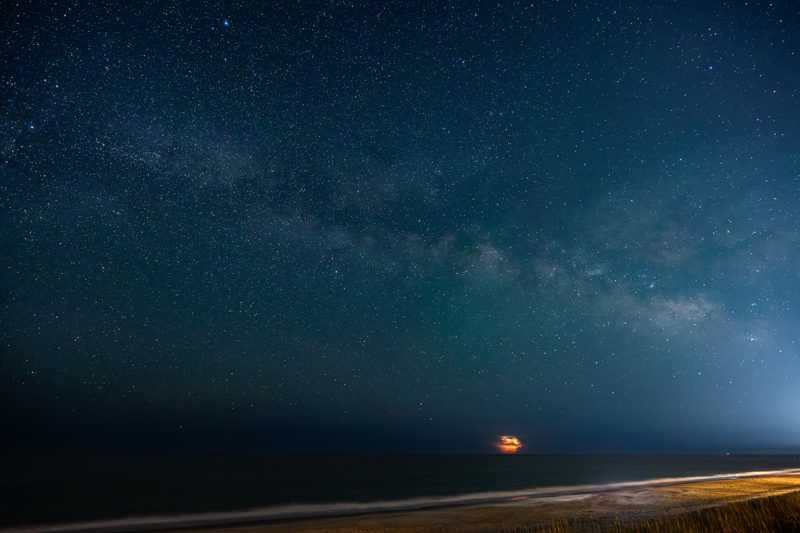
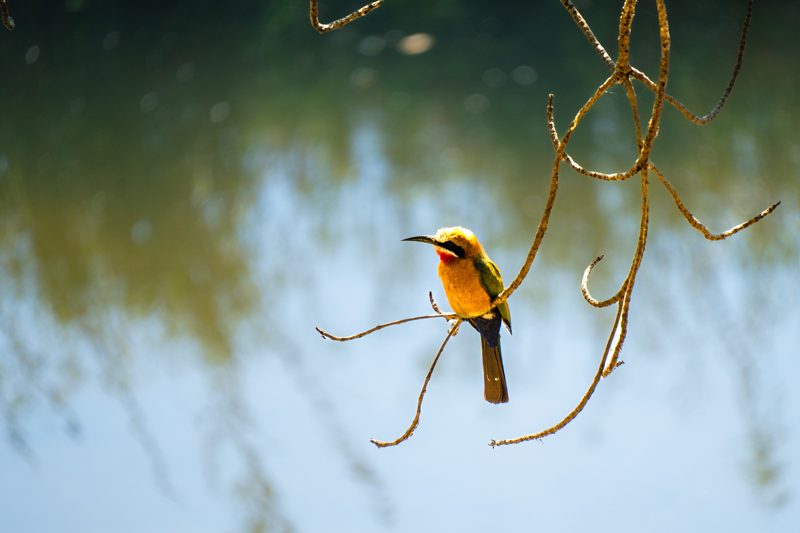
Fishing pairs naturally with camping, and a dark lakeshore at night is a great place to start stargazing. If you’d like another quiet outdoor hobby with a treasure-hunt feel, try metal detecting, or bring binoculars and start birdwatching from the bank. Shopping for someone who already fishes? Our gifts for fishermen list has ideas at every budget. For more ideas, browse our outdoor hobbies and cheap hobbies lists, or try the Hobby Finder.
Where to go next
Ready to go deeper?
We get you started. These are the specialist sites and communities we'd send a friend to next.
- Take Me Fishing ↗a nonprofit site with beginner how-tos, a map of places to fish and a state-by-state license finder
- Fishbrain ↗a fishing app with maps, catch logs and tips from anglers near you
- r/Fishing ↗a big, friendly community for gear questions, rig advice and catch photos
If you like fishing, try...



More on fishing
Fishing FAQ
How do I start fishing as a complete beginner?
Buy a medium spinning combo, a few small hooks, split shot and bobbers, and some worms. Get a license if your state requires one, then fish a worm under a bobber at a local pond near weeds or a dock. Sunfish and bluegill bite readily and make great first fish.
Do I need a fishing license?
In most US states, adults need one, while kids under a certain age (often 16) usually don't. Rules vary by state. Take Me Fishing has a license finder that links to each state's official site. This isn't legal advice, so check your state's rules.
What is the best bait for beginners?
Live worms, usually nightcrawlers or red worms. Almost every freshwater fish eats them, and they're cheap at bait shops and many gas stations. Use a small piece on a small hook for sunfish.
What is the easiest fish to catch?
Bluegill and other sunfish. They live in nearly every pond and lake in the US, they stay close to shore, and they bite worms all summer. Stocked trout in spring are another easy target in many states.
What size hook should a beginner use?
A size 6 or 8 hook covers sunfish, perch, crappie and small bass. Small hooks catch big fish just fine, but big hooks rarely catch small fish.
Should a beginner use a spinning or spincast reel?
Spinning reels are the best all-round choice for teens and adults, and they're what most anglers use. Spincast reels (the push-button kind) are easier for young kids, but they tangle more and cast less far.
What time of day is best for fishing?
Early morning and the last couple of hours before dark are usually best, especially in summer. Overcast days can be good all day. On hot afternoons, fish move deeper or into shade.
How much does it cost to start fishing?
Roughly 60 to 120 USD for a starter combo, tackle and bait, plus a state license if you need one, which is usually about 15 to 70 USD a year for residents.