
The short answer
Start with car camping at a developed campground close to home, with toilets and water nearby. Book a site on Recreation.gov or your state parks website, borrow or rent what you can, and bring a tent, a warm enough sleeping bag, a sleeping pad, a headlamp, a simple stove and more water and layers than you think you need. One night is plenty for your first trip. A basic setup costs roughly 200 to 400 USD if you buy it all, and much less if you borrow.
Camping at a glance
Cost to start
$$$ $200 to $500
First result
A weekend
Per session
Half a day+
Learning curve
Gentle
| Cost to start | Roughly 200 to 400 USD for a basic tent, sleeping bag, sleeping pad, stove and headlamp. Borrowing or renting your first time can bring it close to free. |
|---|---|
| Ongoing cost | Low: campsite fees (often about 15 to 40 USD a night at public campgrounds), fuel, food and gas to get there |
| Time to first result | Your first night out can be this weekend, as long as you can book a site. |
| Time per session | One night to a long weekend. A first trip of one night is ideal. |
| Space needed | Outdoors or a venue |
| Indoor or outdoor | Outdoor |
| Solo or social | Either |
| Physical intensity | Low |
| Learning curve | Gentle: car camping is easy to start, and every trip teaches you what to pack next time. Backpacking takes more skill and planning. |
| Good if you like | cooking outdoors, campfires, road trips, unplugging for a weekend, time with family or friends |
| Good for ages | All ages. Car camping works well with small kids, and many families start when children are toddlers. |
| Noise and mess | Quiet, but outdoorsy. Expect some dirt, smoke and a damp tent to dry out at home. |
| Best season | Late spring through early fall for most beginners. Winter camping is a separate skill with extra gear. |
Camping for beginners is simpler than it looks. Pick a campground with toilets and water, book a site, pack a tent, a warm bed and an easy dinner, and spend one night outside. This guide covers how to start camping, what gear you actually need, how to find and book a site, the campfire and bear rules to know, and a simple plan for your first trip.
What camping actually is (and why people love it)
Camping means sleeping outside, usually in a tent, for a night or more. Most people start with car camping: you drive to a campsite, park next to it, and unload your gear. There’s often a picnic table, a fire ring and a toilet block a short walk away. It’s the easiest way in, and it’s where most campers spend most of their nights.
From there, the hobby branches out:
- Backpacking: you carry everything on your back and hike to a campsite. It takes lighter gear and more planning. Our hiking guide is the place to start.
- Dispersed camping: camping outside a developed campground, often free, on some national forest and Bureau of Land Management land. There are no toilets or water, so it’s better after a few trips.
- Cabins, yurts and glamping: a roof and a bed, but still outdoors. A great way to try it out with kids or skeptical friends.
People love camping because it’s a real break. The phone goes quiet, dinner tastes better outside, and a campfire with friends is hard to beat. It’s also one of the cheapest vacations around once you own the basics.
Is camping right for you?
You’ll probably love it if:
- You like being outside and don’t mind a bit of dirt.
- You want a cheap weekend away with family, friends or a partner.
- You enjoy cooking, campfires, hiking or fishing.
- You like the idea of a hobby that gets better every trip as your setup improves.
Maybe skip it (or try a cabin first) if:
- You sleep badly anywhere but your own bed. A thick pad and a real pillow help a lot, but a cabin is a gentler test.
- You hate bugs, rain or cold with a passion. Good gear softens all three, but it can’t remove them.
- You need a reliable phone signal. Many campgrounds have patchy coverage or none at all.
What gear do you need to start camping?
For a first car camping trip, you need a place to sleep, a way to stay warm, a way to see and a way to eat. That’s it.
- Tent: a dome tent with a full rain fly. Size up: a 4-person tent comfortably fits two adults plus bags. Practice setting it up at home or in a park before your trip.
- Sleeping bag: look at the temperature rating and pick one at least 10 degrees colder than the coldest night you expect. Many bags are named for their lower limit, and the comfortable temperature is usually several degrees warmer.
- Sleeping pad: this matters as much as the bag. The ground pulls heat out of you all night. An inflatable or foam pad keeps you warm and comfortable. Many beginners who “hate camping” just slept on a thin pad.
- Headlamp: one per person, plus spare batteries. Hands-free light makes everything easier after dark.
- Kitchen: a two-burner propane stove, a pot, a pan, a lighter, plates, cutlery, a cooler with ice, a water jug and a small tub for washing up. Most of this can come from your kitchen at home.
- Clothing: layers you can add and remove, a warm hat for night, a rain jacket and dry socks. Avoid cotton for the cold part of the day, since it stays damp.
- Camp chairs: optional, but you’ll want them by trip two.
The REI camping checklist is a good free list to print and tick off.
How much does camping cost to start?
Try it
free to about 50 USD, plus the campsite
Borrow a tent and sleeping bags from friends, rent a kit from an outdoor shop, or book a campground cabin or yurt so you only need bedding and food. Bring your own pillows and kitchen gear from home.
Proper starter
about 200 to 400 USD
A roomy dome tent (a 4-person tent fits two adults and their gear), a sleeping bag rated a little colder than the nights you expect, an insulated sleeping pad, a headlamp each and a two-burner propane stove.
Upgrade later
200 to 500+ USD
A sturdier tent with better rain protection, comfortable camp chairs, a fast-boil stove for coffee and backpacking, and a thicker pad. Upgrade the thing that kept you awake on your last trip.
Don't buy yet: backpacking gear. Ultralight tents, tiny stoves and expensive down bags make sense when you carry everything on your back. For car camping, heavier, cheaper gear works just as well. Go car camping a few times first, then decide whether backpacking is for you.
Should you buy or rent?
Rent or borrow for your first trip or two. Many outdoor shops and some universities and parks rent tents, bags and stoves by the night. You’ll learn what you like (and what you don’t need) before you spend a few hundred dollars. When you buy, start with the sleeping pad and bag. A good night’s sleep is what brings people back.
How to find and book a campsite
Campsites in the US are managed by different agencies, and each one books a little differently.
- National parks, national forests and many federal lakes: book on Recreation.gov. Many campgrounds open bookings up to six months ahead, and popular parks can fill within minutes of opening.
- State parks: each state runs its own reservation site. State parks are often easier to book and closer to home, which makes them great first trips.
- County and private campgrounds: often bookable by phone or their own website. Private campgrounds usually have showers and more amenities.
- First-come, first-served sites: some campgrounds keep sites unreserved. Arrive early on a weekday for the best chance.
For your first trip, look for: drinking water, flush or vault toilets, a site you can drive to, and a short drive home in case the weather turns. Read the campground page for check-in times, quiet hours, stay limits, pet rules and whether fires are allowed. Some popular areas also need a separate permit or timed entry pass on top of your site booking.
Campfires, fire bans and campground rules
Campfires are part of the fun, and also the most common way campers get into trouble. Wildfires can start from one ember, so follow every rule.
- Use the fire ring. Only build fires in an existing fire ring or grill, and only where fires are allowed.
- Check for fire bans first. In dry or windy weather, land managers often ban campfires, charcoal, or both. Bans can start the day you arrive. Check the campground page and ask at check-in.
- Buy firewood locally. Moving firewood spreads tree-killing insects and diseases, and many parks ban outside wood. Buy it at or near the campground.
- Keep it small and never leave it. Keep water and a shovel nearby, and keep kids and pets back.
- Put it out cold. Drown it with water, stir the ashes, drown it again, and feel for heat with the back of your hand. If it’s too hot to touch, it’s too hot to leave. Smokey Bear’s campfire guide walks through each step.
- Respect quiet hours and site limits. Most campgrounds have quiet hours (often 10 p.m. to 6 a.m.), a maximum number of people and vehicles per site, and pet rules such as leashes at all times.
Camping safety for beginners
Developed campgrounds are safe places to start. A little planning covers the most common problems.
- Tell someone your plan. Share where you’re going, your campsite number and when you’ll be back. Coverage at camp can be poor.
- Check the weather the day before and the morning you leave. Wind, storms and cold snaps are the usual trip-ruiners. Have a bail-out plan, and go home if it gets dangerous.
- Bring plenty of water. Plan on at least a gallon per person per day for drinking and cooking. Check whether the campground’s water is on, since it’s often shut off in the off-season. Treat any water from lakes or streams before drinking it.
- Store food properly. Bears, raccoons and other animals learn to raid campsites. Keep food, trash, coolers and anything scented (toothpaste included) in your car or the bear locker, never in your tent. In bear country, follow the campground’s food storage rules exactly. The NPS bear safety page covers what to do if you meet one.
- Pack the Ten Essentials for hikes away from camp. The National Park Service lists the Ten Essentials as navigation, sun protection, extra clothing, a light, first aid supplies, fire, a repair kit and tools, extra food, extra water and emergency shelter.
- Never run a stove or heater inside your tent. Fuel-burning stoves and heaters can cause carbon monoxide poisoning and fires. Cook outside, away from the tent.
- Watch for ticks and poison ivy. Check yourself and the kids every evening.
Leave No Trace
Most campers follow the seven Leave No Trace principles. In short: plan ahead, camp on durable surfaces, pack out all your trash, leave what you find, keep fires small, respect wildlife (never feed it) and be considerate of other campers. Leave your site cleaner than you found it.
How to start camping: your first trip
The goal for trip one is simple: one comfortable night and a good breakfast. Here’s a plan.
- Pick a campground (2 to 4 weeks ahead): choose one within about two hours of home, with water and toilets. Book a site, and read the rules page.
- Gather gear (1 to 2 weeks ahead): borrow, rent or buy the basics. Make a checklist and keep it, since you’ll reuse it every trip.
- Practice pitching the tent (a week ahead): set it up in the yard or a park. Check that every pole, stake and the rain fly are there.
- Plan easy meals (a few days ahead): foil-packet dinners, hot dogs, pasta or burritos, plus pancakes or eggs for breakfast. Pre-chop and pre-mix at home. Freeze water bottles to use as ice in the cooler.
- Check the weather and tell someone (the day before): share your plan and expected return time. Pack extra layers if it looks cold.
- Arrive early (day one): reach camp with at least two hours of daylight. Pitch the tent first, then set up the kitchen, then explore.
- Make camp cozy (evening): blow up the pads, lay out the bags and put headlamps where you can find them in the dark. Store food before bed. Pack a paperback for the quiet hour after dinner, ideally one set near where you’re camping. The Dogear maps books by the places they’re set.
- Pack up (day two): pick up every scrap of trash, put out any fire cold, and dry the tent at home before you store it so it doesn’t mildew.
Your first project: after the trip, write down what you wished you’d brought and what you never used. That list shapes your next trip more than any gear guide.
How to get better at camping: your first season
Camping is easy to start, and it gets more comfortable every trip.
- After 2 or 3 trips: you’ll have a packing list that works, a favorite camp breakfast and a much faster tent setup. You’ll know whether cold, the ground or noise kept you up, and you’ll know what to upgrade.
- By the end of your first season: many campers try a longer trip, a busier national park, a first rainy night (it builds confidence) or a short backpacking trip.
- The wall most people hit: sleep. If you sleep badly, upgrade the pad first, then the bag, then add a real pillow. It’s the change that turns a so-so trip into one you want to repeat.
Common beginner mistakes
- A sleeping bag that’s too thin. Nights drop fast, even in summer. Check the forecast low and pick a bag rated well below it.
- Skipping the sleeping pad. The ground steals more heat than the air.
- Arriving after dark. Pitching a new tent by headlamp is miserable. Leave early.
- Food in the tent. It invites animals in. Store it in the car or a bear locker.
- Forgetting the lighter. Pack two, plus matches.
- Trying to camp somewhere remote first. Start close to home, with toilets and water, and work up from there.
- Ignoring the forecast. Wind and storms can flatten a cheap tent. Go another weekend if a big storm is coming.
Camping words you’ll hear
- Car camping: camping at a site you can drive to.
- Backcountry or backpacking: camping away from roads, carrying everything in.
- Dispersed camping: camping outside a developed campground, usually with no facilities.
- Rain fly: the waterproof outer layer that goes over the tent.
- Footprint: a ground sheet under the tent that protects the floor.
- R-value: a rating for how well a sleeping pad insulates you from the ground. Higher is warmer.
- Bear box or bear locker: a metal food locker at the campsite.
- First-come, first-served (FCFS): campsites you can’t reserve.
The best free resources for learning to camp
- Guides: REI Expert Advice has free articles and checklists for every part of a first trip.
- Booking: Recreation.gov for federal campgrounds, plus your state parks reservation site.
- Official rules: the National Park Service camping pages and the page for your specific park or forest.
- Skills and ethics: Leave No Trace for low-impact camping habits.
- Community: r/camping for gear advice, trip reports and beginner questions.
- In person: rangers and campground hosts are happy to help. Ask them about the best nearby hikes and the current fire rules.
More ways to enjoy the outdoors
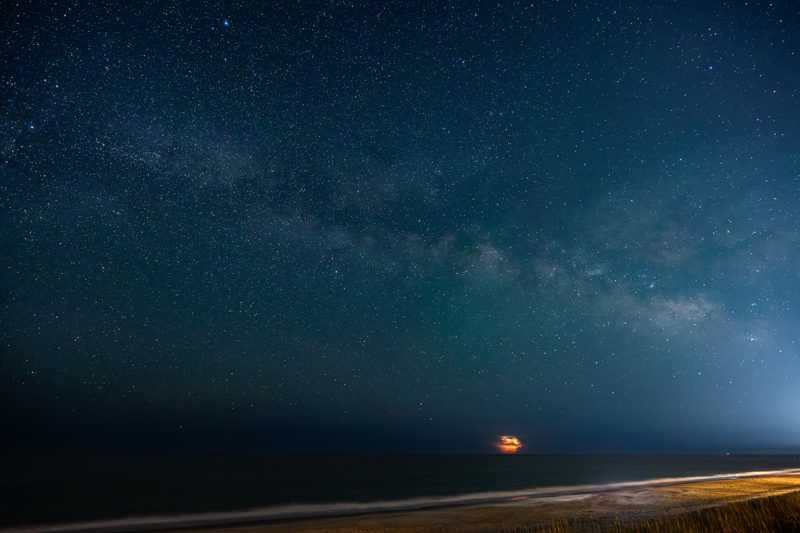
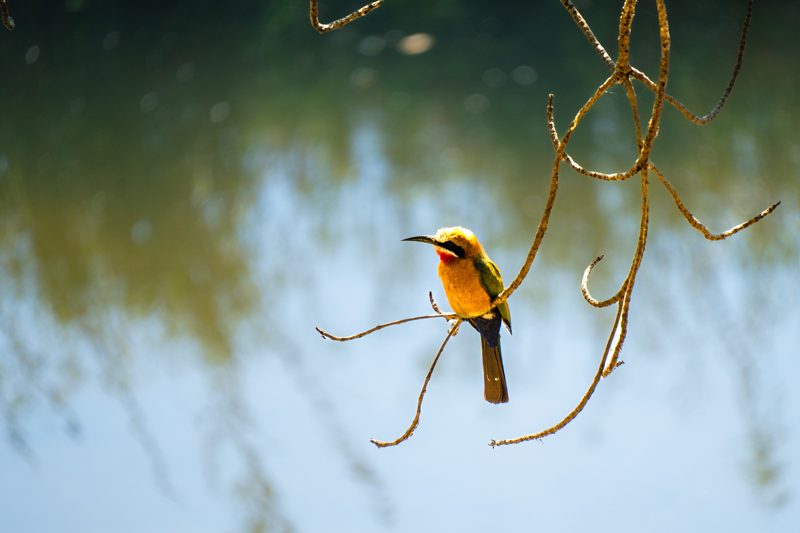
Camping pairs naturally with other outdoor hobbies. Most campers start hiking the trails near camp, and a dark campground is the perfect place to try stargazing. Many people camp to go fishing or birdwatching at dawn. Buying for a camper? See our gifts for campers. For more ideas, browse our outdoor hobbies and hobbies for couples lists, or take the Hobby Finder.
Where to go next
Ready to go deeper?
We get you started. These are the specialist sites and communities we'd send a friend to next.
- REI Expert Advice: Camping for Beginners ↗clear, free how-tos and printable checklists from the outdoor co-op
- Recreation.gov ↗the booking site for campsites on most US federal land, including national parks and forests
- Leave No Trace ↗the seven principles most campers follow to keep wild places clean and open
If you like camping, try...



More on camping
Camping FAQ
What do I need for my first camping trip?
A tent, a sleeping bag rated for the night-time temperature, a sleeping pad, a headlamp, a way to cook, food, plenty of water, warm layers, rain gear and a first aid kit. Add the Ten Essentials if you'll hike away from camp.
Where should a beginner go camping?
A developed campground within an hour or two of home, with toilets, drinking water and a site you can drive right up to. State parks and national forest campgrounds are good first choices.
How do I book a campsite?
Federal campgrounds (national parks, national forests and many lakes) book on Recreation.gov, and state parks use their own reservation sites. Popular campgrounds can fill months ahead, so book early or look for first-come, first-served sites on weekdays.
Can I have a campfire?
Only where it's allowed. Use the existing fire ring, follow any fire ban, and drown, stir and feel the ashes until they're cold before you leave or sleep. Rules change with the weather, so check with the land manager first. This is not legal advice.
What is the 3-3-3 rule in camping?
It's an informal tip for families and RVers, with a few versions. A common one is to drive no more than 300 miles a day, arrive by 3 p.m. and stay at least 3 nights. It's handy advice, not a rule anyone enforces.
Is camping safe for beginners?
Yes, at a developed campground with sensible planning. Tell someone where you're going, check the weather, store food properly, keep fires small and supervised, and bring a first aid kit and warm layers.
How cold is too cold to go camping as a beginner?
Most beginners are happiest when nights stay above about 50°F. Below that, you need a warmer sleeping bag, an insulated pad and extra layers. Pick a sleeping bag rated at least 10 degrees colder than the forecast low.
How much does it cost to start camping?
Roughly 200 to 400 USD for a basic tent, sleeping bag, pad, stove and headlamp, plus about 15 to 40 USD a night for a campsite. Borrowing or renting your first time keeps it close to free.