The short answer
Pick a short, well-marked trail near home (2 to 4 miles with little climbing) using AllTrails or your local park's website. Wear comfortable shoes with good grip and clothes that aren't cotton, and carry water, snacks, a rain layer, a charged phone and a small first aid kit. Tell someone where you're going, check the weather, and turn around whenever you need to. You can start this weekend with what you already own.
Hiking at a glance
Cost to start
$$ $50 to $200
First result
A weekend
Per session
1-2 hrs
Learning curve
Gentle
| Cost to start | Free to start in sneakers you own. Roughly 150 to 300 USD for hiking shoes, good socks, a daypack and a first aid kit. |
|---|---|
| Ongoing cost | Low: park entry or parking fees in some places, an annual park pass, and replacing shoes every few hundred miles |
| Time to first result | Your first trail walk can be this weekend. |
| Time per session | 1 to 3 hours for most beginner hikes, or a full day as you build up |
| Space needed | Outdoors or a venue |
| Indoor or outdoor | Outdoor |
| Solo or social | Either |
| Physical intensity | Medium |
| Learning curve | Gentle: anyone who can walk can hike an easy trail. Navigation, steep terrain and longer days take time to build up. |
| Good if you like | walking, nature and views, photography, low-cost exercise, time with friends or the dog |
| Good for ages | All ages. Kids can hike short, flat trails, and plenty of people keep hiking well into their 70s and 80s. |
| Noise and mess | Quiet. Expect muddy shoes now and then. |
| Best season | Year-round in many places. Summer heat and winter ice each need extra planning. |
Hiking for beginners starts with a short, easy trail and a good pair of shoes. You don’t need special gear or great fitness. You need a route that suits you, some water and snacks, a few layers and a plan someone else knows about. This guide covers how to start hiking, how to choose a beginner trail, what to wear and pack, trail etiquette and safety, and how to build up over your first few months.
What hiking actually is (and why people love it)
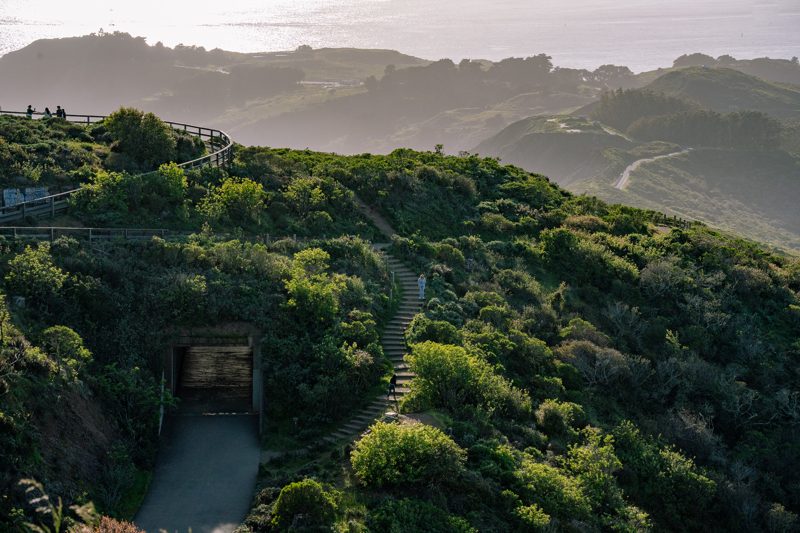
Hiking is walking on trails, usually in parks, forests or mountains. A day hike can be a 1-mile loop around a lake or a 12-mile climb to a summit. Most beginners start with short, well-marked trails of 2 to 4 miles.
Hiking also leads to other things. Some hikers chase summits or waterfalls. Some start birdwatching or photographing wildflowers. Others work up to backpacking, where you carry a tent and stay out overnight. Our camping guide is the best first step for that.
People love hiking because it’s simple, cheap and good for you. It’s exercise that doesn’t feel like exercise. It clears your head, it’s easy to do with friends, family or a dog, and there’s always a new trail to try.
Is hiking right for you?
You’ll probably love it if:
- You like walking and want to do more of it outside.
- You want low-cost exercise you can do at your own pace.
- You enjoy views, wildlife, photography or quiet.
- You like having goals, like a summit, a waterfall or a longer trail.
Maybe pick something else (or start slower) if:
- You have knee, hip or heart concerns. Flat, paved trails are a great start, and talk to your doctor before tackling steep climbs.
- You want a fast, sweaty workout in under an hour. Running or mountain biking suits that better.
- You really dislike bugs, mud or weather. Gear helps, but you’ll meet all three.
How to pick your first trail
The right first trail makes the difference between “let’s go again” and “never again”. Look for:
- Distance: 2 to 4 miles round trip.
- Elevation gain: under about 500 feet. On a trail map, gaining 1,000 feet in one mile is steep.
- A loop or out-and-back on a well-marked trail. Popular trails are easier to follow and have other people around.
- Recent reviews. On AllTrails and park websites, check recent comments for mud, snow, closures or downed trees.
- Something to see. A lake, a waterfall or a viewpoint gives you a reason to keep walking.
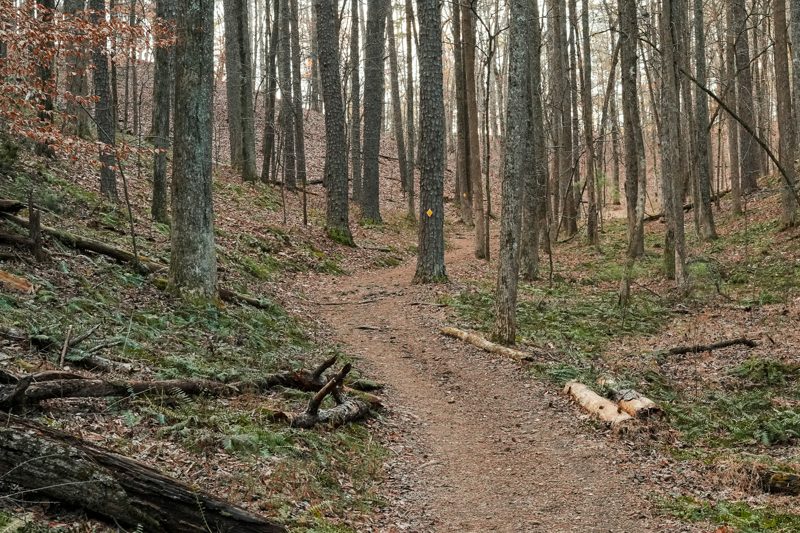
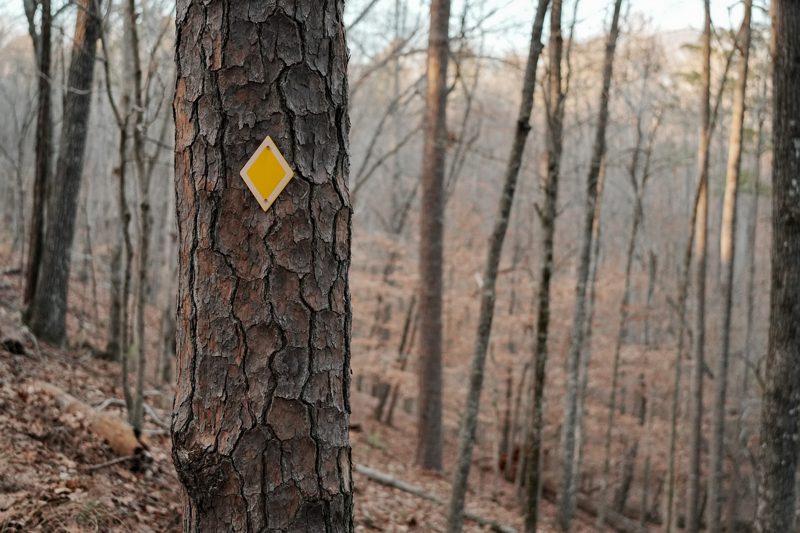
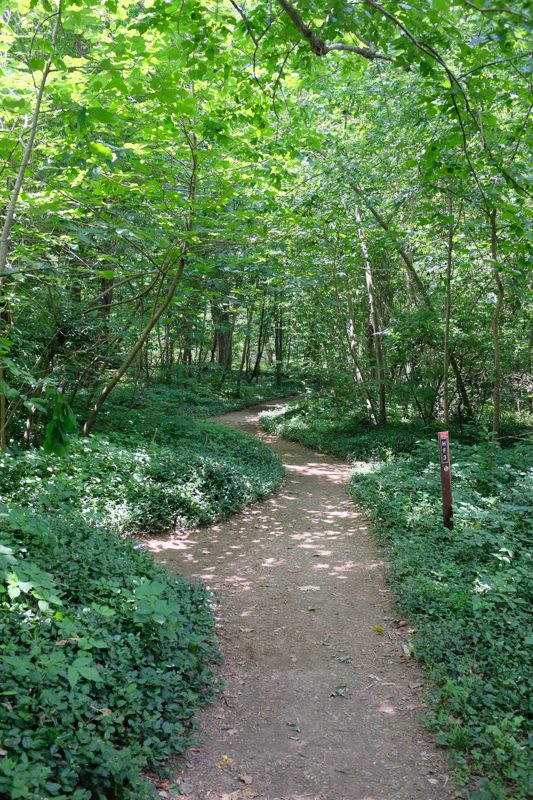
Read the trail markers. Most trails are marked with “blazes”: painted rectangles, or plastic or metal diamonds, nailed to trees or posts at eye level. Each trail in a park usually has its own color. Follow the same color the whole way, and if you haven’t seen a blaze for a few minutes, stop and walk back to the last one. Two blazes stacked together usually mean the trail turns.
Estimate your time: a rough rule is about 2 miles per hour on easy ground, plus about an hour for every 1,000 feet of climb, plus breaks. Start early so you finish with plenty of daylight.
Good places to start: state parks, county parks, national forests and nature preserves near you. Rangers and visitor centers are happy to suggest beginner hikes. Even a shaded path in a city park counts: the best first hike is the one close enough that you’ll actually go.
What to wear hiking
Comfort and staying dry matter most.
- Shoes: sneakers with good grip are fine for easy, dry trails. Trail runners or light hiking shoes add grip and protection. Wear them in before a long hike.
- Socks: wool or synthetic hiking socks. They cushion your feet, dry faster than cotton and help prevent blisters.
- Layers: a moisture-wicking base layer (synthetic or wool), an insulating layer such as a fleece, and a rain jacket. You’ll warm up climbing and cool down fast at the top.
- Skip cotton for the cold or wet parts. Cotton jeans and T-shirts stay damp and chill you.
- Sun and bugs: a hat, sunglasses, sunscreen and bug spray where you’ll need it.
What to pack: the Ten Essentials
Every hiker should carry the Ten Essentials, scaled to the hike. The National Park Service lists them as:
- Navigation: a map, a compass and a GPS or phone app with offline maps.
- Sun protection: sunglasses, sunscreen and a hat.
- Extra clothing: a warm layer, a rain shell and spare socks.
- Illumination: a headlamp or flashlight, even if you plan to be back by dark.
- First aid supplies: a small kit with blister care.
- Fire: matches or a lighter and fire starter.
- Repair kit and tools: a knife or multi-tool and some duct tape.
- Nutrition: extra food beyond what you plan to eat.
- Hydration: extra water and a way to treat more.
- Emergency shelter: a space blanket or emergency bivy.
The full list and safety tips are on the NPS Ten Essentials page, and REI’s version explains each item in detail. On a 2-mile park loop, this can all fit in a small daypack. On a longer or more remote hike, it can save your life.
Water: a common starting point is about half a liter to a liter per hour of hiking, more in heat or on climbs. Don’t drink untreated water from streams or lakes. Use a filter or treatment tablets.
How much does hiking cost to start?
Try it
free
Wear sneakers with good tread, carry a backpack you already own and a reusable water bottle, and pick an easy trail at a local or state park.
Proper starter
about 150 to 300 USD
Trail shoes or light hiking shoes, two pairs of wool hiking socks, a comfortable 15 to 25 liter daypack and a small first aid kit. Add a rain jacket if you don't own one.
Upgrade later
150 to 500+ USD
Trekking poles for steep or long hikes, a water filter for refilling from streams, a proper waterproof rain jacket and a satellite messenger if you hike where there's no signal.
Don't buy yet: heavy leather hiking boots. Many beginners assume they need stiff, high boots. Most day hikers are happier in lighter trail shoes or low hiking shoes that need no breaking in. Wait until you know you'll carry heavy loads or hike rough, rocky ground often.
Hiking safety for beginners
Most hiking problems come from a few things: getting lost, bad weather, running out of water and staying out after dark. Plan for each.
- Tell someone your plan. Share the trail name, the trailhead, and when you’ll be back. Agree on what they should do if you don’t check in.
- Check the weather and the trail conditions. Look at the forecast for the trail, not the nearest town, since mountains are colder and stormier. Watch for afternoon thunderstorms in summer, and get off exposed ridges and summits if you hear thunder.
- Download a map before you go. Phone signal disappears fast on trails. Save an offline map in AllTrails or a similar app, and carry a paper map on longer hikes.
- Set a turnaround time. Decide when you’ll turn back, whether or not you’ve reached the goal. The summit will still be there next time.
- Know what to do if you’re lost. Stop, stay calm, and try to retrace your steps to the last place you knew. If you can’t, stay put, stay warm, and call or signal for help.
- Wildlife and bears. Give animals plenty of room and never feed them. In bear country, make noise on blind corners, keep food packed away, and learn what to do in an encounter on the NPS bear safety page. Some areas recommend carrying bear spray.
- Heat and cold. In heat, start early, drink often and rest in shade. In cold, pack extra layers, and know that days are shorter.
Trail rules, permits and etiquette
Most local trails are free and open, but some places need a pass, permit or reservation. Many national parks charge an entrance fee, a few of the busiest use timed entry reservations in peak season, and some famous hikes need a permit or a lottery spot. National forests and state parks often charge for parking. An America the Beautiful pass covers entrance fees at national parks and many other federal sites for a year.
Pets are allowed on many trails, but many national parks keep them off most trails. Check the park’s pet rules before you bring a dog. Trails also close for fire danger, wildlife activity, flooding or repairs.
Trail etiquette:
- Uphill hikers usually have the right of way. Step aside for them when it’s safe.
- Bikes yield to hikers, and everyone yields to horses. Step off on the downhill side for horses and speak calmly.
- Stay on the trail. Cutting switchbacks causes erosion and damages plants.
- Keep it quiet. Use headphones, not speakers.
- Pack it in, pack it out. That includes fruit peels and dog waste bags. The Leave No Trace principles are the standard most hikers follow.
How to start hiking: your first month
The goal for month one is three or four easy hikes and a pack that has everything you need.
- Week 1: a short, flat trail. Walk 2 to 3 miles near home. Note how your shoes and socks feel, and how much water you drank.
- Week 2: add a little climbing. Try a trail with 300 to 600 feet of elevation gain. Go at a pace where you can still talk.
- Week 3: build your pack. Gather your version of the Ten Essentials into one daypack, so it’s ready to grab.
- Week 4: a goal hike. Pick a trail of 4 to 5 miles with a view or a waterfall. Start early, and set a turnaround time.
Your first project: pick a hike you’d like to do in three months, maybe a local summit or a longer loop. Then build up to it a mile or a few hundred feet of climbing at a time.
How to get better at hiking: your first three months
- How to practice: hike once or twice a week, and walk on other days. Stairs, hills and a loaded backpack build hiking fitness quickly.
- By month 1: 4 to 5 miles feels comfortable, you know your water needs, and your pack is ready to grab.
- By month 3: many beginners are comfortable with 6 to 8 miles and 1,500 feet or more of climbing. You may join a hiking group, try a first overnight backpacking trip, or start planning a national park visit.
- The wall most people hit: sore knees on the way down, and blisters. Trekking poles take strain off your knees on descents. For blisters, fix hot spots early with tape or moleskin, wear wool socks, and make sure your shoes fit.
Common beginner mistakes
- Picking a trail that’s too long or steep. Check the elevation gain as well as the distance.
- Starting too late. Darkness comes faster than you think, especially in fall and winter.
- Not bringing enough water. Carry more than you think you’ll need, especially in summer.
- Wearing cotton. Damp cotton chills you once you stop moving.
- Relying on phone signal. Download maps before you leave.
- New shoes on a long hike. Wear them in on short walks first.
- Pushing on when the weather turns. Turning back is always the right call when you’re unsure.
Hiking words you’ll hear
- Trailhead: where the trail starts, usually with parking.
- Elevation gain: the total climbing on a hike, in feet.
- Out-and-back: a hike where you return the way you came.
- Loop: a hike that ends where it started without retracing your steps.
- Switchbacks: zig-zags that take a trail up a steep slope.
- Blaze: a painted mark on a tree or rock that shows the trail.
- Cairn: a small stack of rocks marking a route.
- Thru-hike: hiking a long trail end to end, like the Appalachian Trail.
The best free resources for learning to hike
- Trails: AllTrails for trail maps and recent reviews. Your state parks website and local land trusts list trails too.
- Guides: REI Expert Advice has free articles on footwear, clothing, trail choice and training.
- Safety: the NPS Ten Essentials and the official page for your park or forest.
- Community: r/hiking for trail ideas and beginner questions, plus local hiking clubs and Meetup groups for group hikes.
- In person: rangers and visitor center staff know current conditions and can suggest beginner trails.
More ways to enjoy the trail
Hiking leads naturally to camping, and a night hike is a great intro to stargazing. Plenty of hikers pick up birdwatching along the way. Shopping for a hiker? See our gifts for hikers. For more ideas, browse our outdoor hobbies, cheap hobbies and hobbies for retirees lists, or take the Hobby Finder.
Where to go next
Ready to go deeper?
We get you started. These are the specialist sites and communities we'd send a friend to next.
- REI Expert Advice: Hiking for Beginners ↗free, clear guides on trails, clothing, footwear and what to pack
- AllTrails ↗the app most hikers use to find trails, read recent reviews and download maps
- National Park Service: The Ten Essentials ↗the official list of what to carry on every hike, plus safety basics
If you like hiking, try...



More on hiking
Hiking FAQ
How do I start hiking as a beginner?
Pick a short, well-marked trail near home with little climbing, wear comfortable shoes with good grip, and carry water, snacks, a rain layer and a charged phone. Tell someone your plan, and add distance a little at a time.
How far should a beginner hike?
Start with 2 to 4 miles and less than about 500 feet of climbing. A rough rule is about 2 miles an hour on easy ground, plus an extra hour for every 1,000 feet of climb.
What should I wear hiking for the first time?
Comfortable shoes with good tread, wool or synthetic socks, and quick-drying layers. Avoid cotton, which stays wet and cold. Bring a rain jacket and a warm layer, even on a sunny day.
What are the Ten Essentials for hiking?
The National Park Service lists navigation, sun protection, extra clothing, a light, first aid supplies, fire, a repair kit and tools, extra food, extra water and emergency shelter. Scale them to the hike, but carry some version every time.
What is the 2-2-2 rule in hiking?
There isn't a standard hiking version. The phrase usually comes from RV travel: drive no more than about 200 miles, arrive by 2 p.m. and stay 2 nights. For a first hike, a similar small start works well: about 2 miles on an easy trail, then build up from there.
Is it safe to hike alone?
Many people do, especially on busy, well-marked trails. Always tell someone your route and return time, carry the Ten Essentials, and pick familiar trails. Hiking with a friend or a club is easier for your first few outings.
Do I need hiking boots to start?
No. Sneakers with good grip work on easy, dry trails. Many hikers later switch to trail runners or light hiking shoes. Heavy boots help most on rough terrain or with a heavy pack.
Who has the right of way on a trail?
Hikers going uphill usually have the right of way. Cyclists yield to hikers, and everyone yields to horses. Step aside on durable ground and say hello.